
Top games with space station building tend to scratch a very specific itch: you want the creativity of designing modules and layouts, but you also want the pressure of keeping crews alive, budgets balanced, and disasters from cascading into a station-wide mess.
The tricky part is that “space station building” can mean wildly different things depending on the game. Some lean into realistic orbital engineering and life support, others are more about logistics and production chains, and a few are basically city builders wearing a space suit.
This guide narrows the field with practical picks, what each game actually feels like to play, and a quick way to match your taste (cozy builder, hardcore sim, co-op chaos) to the right title.
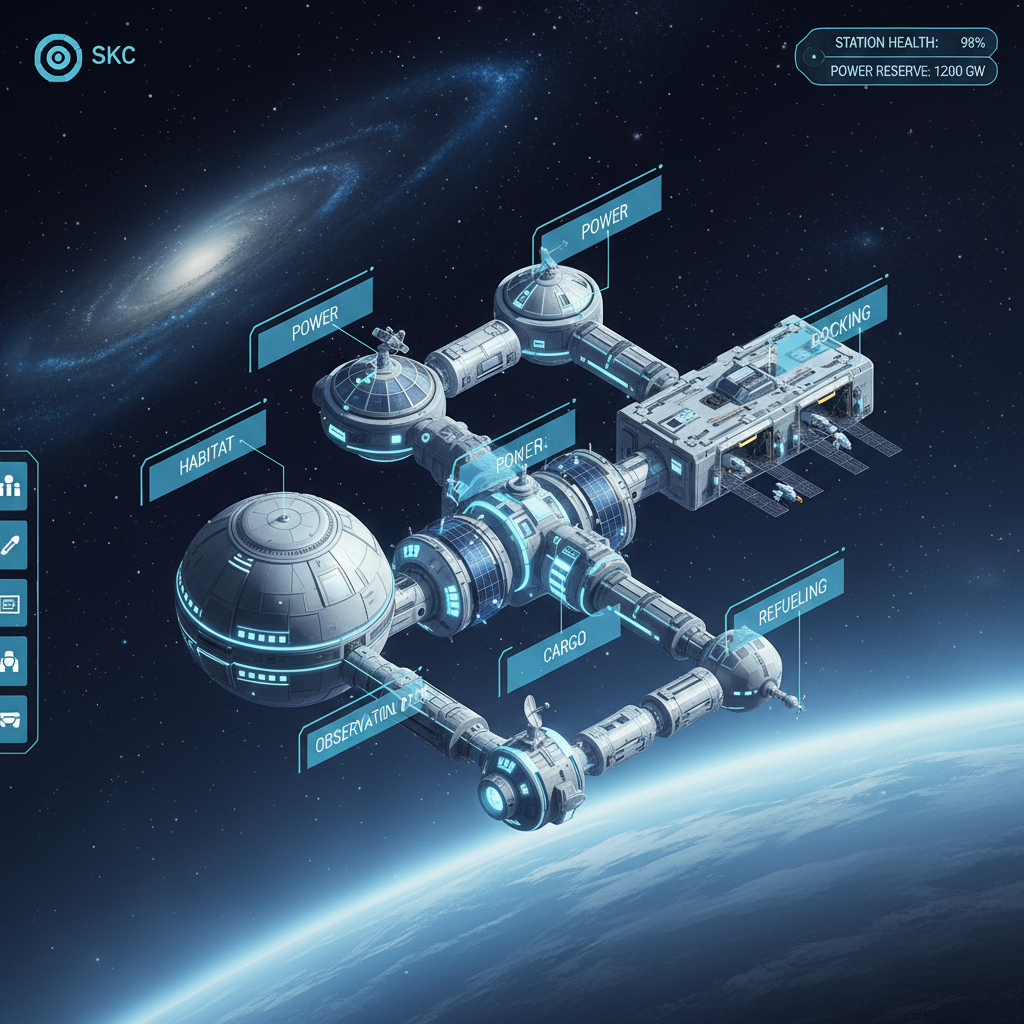
Quick picks: the best space station builders by play style
If you just want a short list before you overthink it, these are solid starting points. A few of these games include stations plus broader colony or fleet systems, but station construction remains a central loop.
- For hardcore management: Space Haven (crew needs, ship/station layout, salvage, combat pressure)
- For realistic engineering vibes: Stationeers (complex atmospherics, power, piping, survival systems)
- For grand strategy + stations: Stellaris (starbases, habitats, megastructures in a 4X frame)
- For story-driven simulation: Ixion (station-city survival with strong narrative pacing)
- For supply chains and orbital industry: Avorion (buildable ships and stations, trading, production, exploration)
Keep in mind, availability and exact features can vary by platform version and updates, so it’s worth checking current store pages for the latest details before buying.
Comparison table: complexity, vibe, and who each game fits
People bounce off station games for predictable reasons: too much micromanagement, not enough stakes, or systems that feel opaque. This table helps you filter quickly.
| Game | Station building focus | Complexity | Best for | What to know |
|---|---|---|---|---|
| Space Haven | High | Medium-High | RimWorld-style station/ship management | Layout matters; crew stress and raids can snowball |
| Stationeers | High | High | Engineering-minded players | Atmosphere, power, and piping reward patience |
| Stellaris | Medium | Medium | 4X fans who want stations in a bigger empire game | Stations support strategy more than minute-to-minute building |
| Ixion | High | Medium | Narrative survival and crisis management | Feels like a pressured journey, not a sandbox |
| Avorion | Medium | Medium | Exploration, industry, and building at scale | Stations often serve economy and logistics goals |
Why space station builders feel so different (and why that matters)
When someone asks for top games with space station building, they often mean one of three things, but they don’t always realize it until they buy a game and bounce off.
- Layout-first builders: you’re designing flow, adjacency bonuses, pathing, and expansion, mistakes show up as bottlenecks.
- Systems sims: you’re managing invisible rules like pressure, temperature, gases, and power draw, the station is basically a machine.
- Strategy “station layer” games: stations exist, but as part of a bigger loop like empire expansion, trading networks, or fleet warfare.
The practical takeaway: if you love planning floorplans, pick games where crew routing and module adjacency matter. If you love tinkering, pick the heavy simulation titles. If you want “stations” but hate micromanagement, go for 4X or economy-forward options.
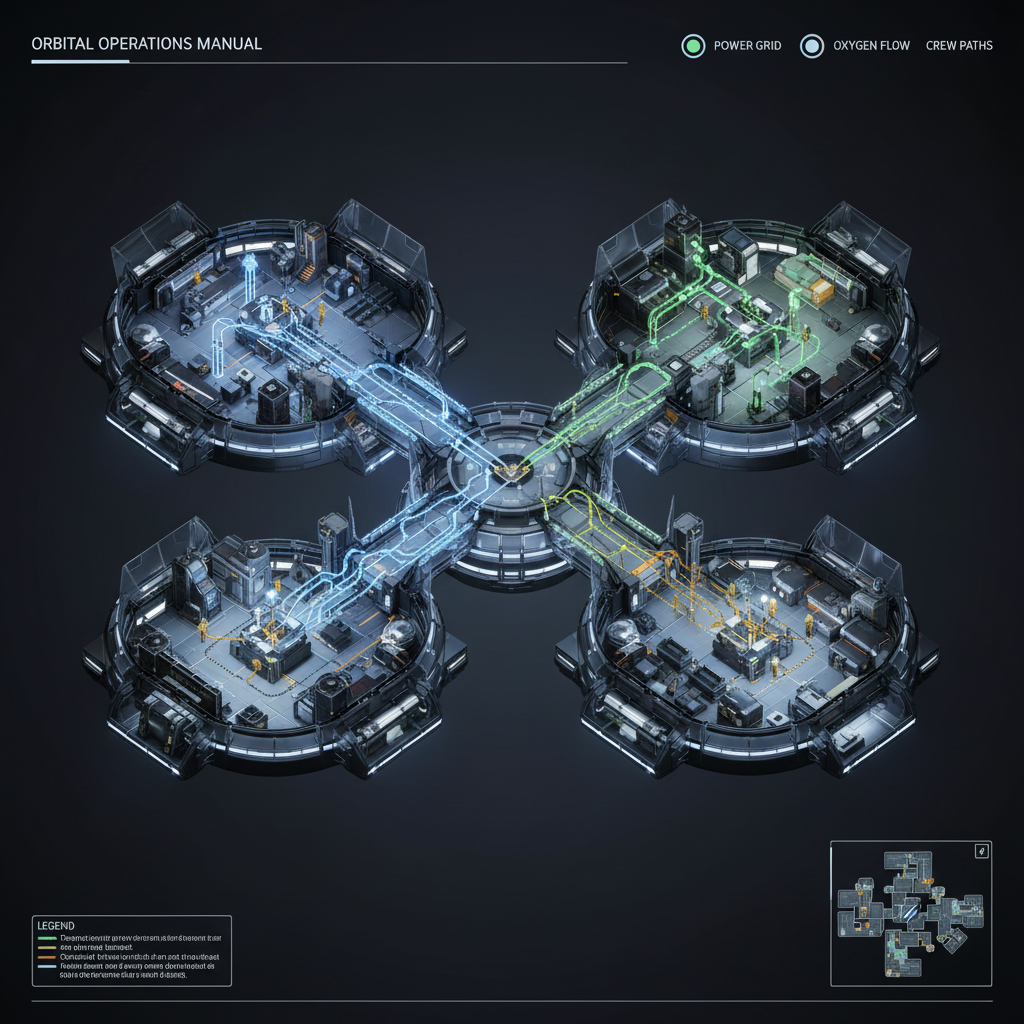
Self-check: how to pick the right game in 2 minutes
Answer these quickly and you’ll narrow your options more than any “top 10” list ever will.
- Do you want failure to be possible? If yes, lean toward survival management titles like Ixion or Space Haven.
- Do you enjoy reading tooltips and experimenting? If yes, Stationeers typically rewards that mindset.
- Do you want combat to be a big part? Avorion and Stellaris usually make conflict a core long-term driver.
- Do you want a sandbox where you can chill? Look for modes/settings that reduce raids, disasters, or resource scarcity.
- Do you care about co-op? Some station builders skew single-player; check current multiplayer support before committing.
One more honest question: are you in the mood to “solve problems,” or “decorate and optimize”? Both are valid, but they point to different picks.
Game-by-game notes: what each top pick does best
Space Haven
This is a strong choice if you like crew management with consequences. You build compartments, manage oxygen and power, and juggle morale and medical needs while navigating a hostile sector. The fun comes from seeing your design hold up under stress, not from perfecting a pretty layout.
- Best hook: station/ship layout plus survival pressure
- Watch-outs: setbacks can chain together if you expand too fast
Stationeers
Stationeers leans hard into engineering. Atmospherics, piping, and power are not background flavor, they’re the game. If you like the idea of building a station like a real system with inputs, outputs, and failure modes, it can be deeply satisfying.
- Best hook: deep simulation systems
- Watch-outs: learning curve can feel steep if you expect a casual builder
Stellaris
Stellaris is not “only” about station design, but it’s a surprisingly good answer for players who want space infrastructure decisions without micromanaging oxygen lines. Starbases, habitats, and megastructures influence defense, economy, and population growth across an empire-scale map.
- Best hook: big-picture strategy with meaningful station choices
- Watch-outs: builders who want interior layouts may find it abstract
Ixion
Ixion plays like a pressure cooker. You build and expand a rotating station-city while dealing with scarcity, worker allocation, and narrative crises. It’s less “zen builder,” more “keep it together for one more jump.”
- Best hook: narrative-driven station survival
- Watch-outs: pace can feel unforgiving if you prefer sandbox freedom
Avorion
Avorion shines if you like building infrastructure that supports an economy. You can establish stations, production, and trade, then back it up with ships you design. It’s a wider toolbox than pure station sims, but the building layer stays relevant.
- Best hook: industry, exploration, and buildable infrastructure
- Watch-outs: station design serves a broader loop, not always the main event
Practical tips: build a station that doesn’t implode later
Even in more forgiving top games with space station building, most “my run collapsed” stories come from the same handful of decisions. These tips stay useful across different rule sets.
- Design around choke points early: power generation, oxygen production, docking access, and storage tend to bottleneck before anything else.
- Leave ugly expansion space: empty corridors and spare junctions feel wasteful until you need to reroute systems quickly.
- Standardize modules: repeating proven room layouts makes troubleshooting faster, especially in games with complex simulation.
- Plan for redundancy: one extra power line or backup life support often costs less than recovering from a cascade failure.
- Watch crew workload: when the station grows, “we have enough people” turns into “we have enough specialists.”
Key takeaway: optimize after stability, not before. A slightly inefficient station that keeps everyone alive beats a perfectly optimized design that fails when one system dips.
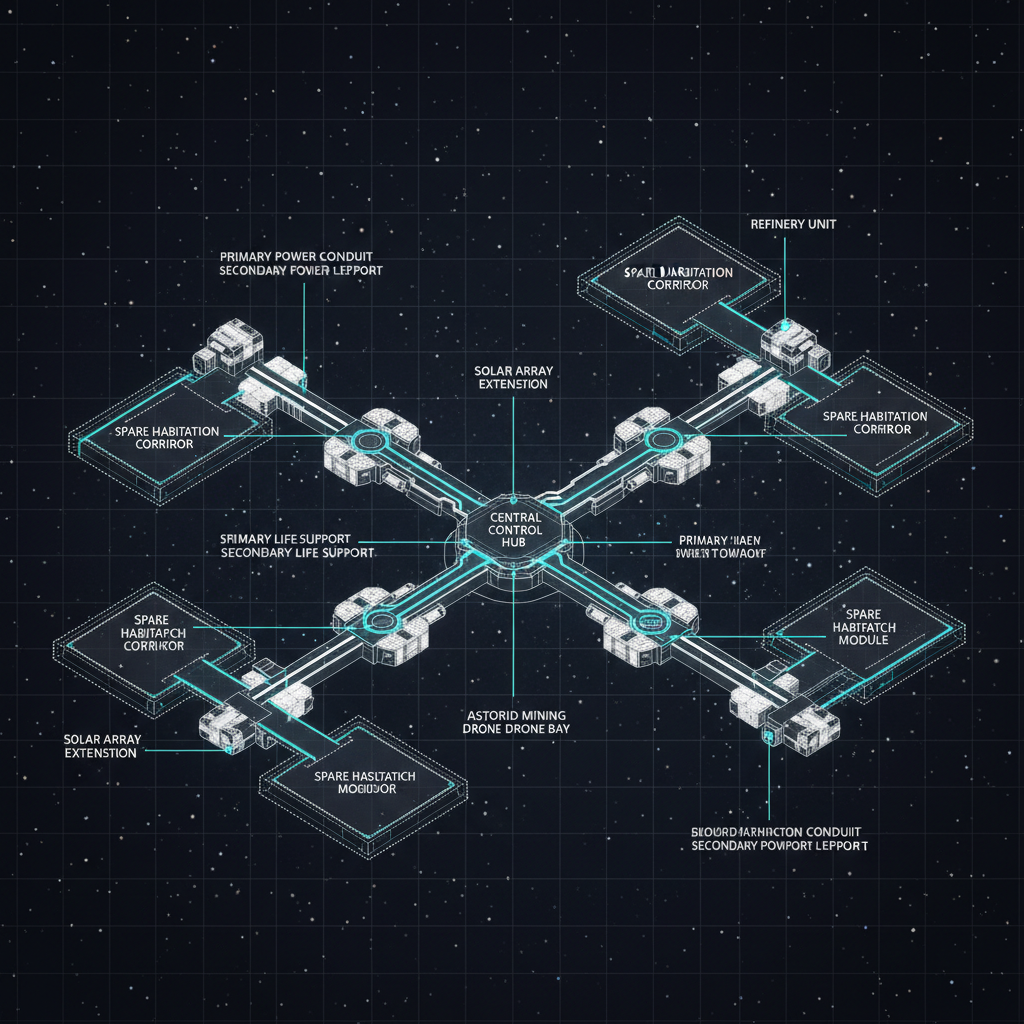
Common mistakes (the stuff guides rarely warn you about)
A few traps show up again and again, especially for players new to station games.
- Overbuilding “nice to have” rooms: recreation, aesthetics, and side production chains can wait until core systems stabilize.
- Ignoring logistics distance: long walks or long conveyor routes quietly murder productivity.
- Expanding without reserves: in many games, new modules increase maintenance or consumption immediately.
- Assuming the tutorial equals mastery: tutorials teach controls, not failure prevention.
According to NASA, redundancy is a foundational principle in human spaceflight systems design, because critical systems must keep working even when components fail. You don’t need aerospace-grade engineering in a game, but the mindset translates surprisingly well.
Conclusion: choose the station builder that matches your brain
If you want tense survival and a layout that must function under pressure, Space Haven and Ixion are hard to ignore. If you want deep engineering and the satisfaction of a station that runs because you truly understand it, Stationeers stands out. If you want stations as strategic infrastructure rather than a full-time plumbing job, Stellaris and Avorion fit better.
Two simple next steps help: pick your preferred failure level, then pick whether you want layout puzzles or systems simulation. That alone narrows the list to a game you’ll actually stick with.
FAQ
What are the top games with space station building if I hate heavy micromanagement?
Look for games where stations function as strategic nodes rather than fully simulated life-support machines. Stellaris is often a better fit than deep sims, since many decisions happen at a higher level.
Which space station building game feels the most “realistic”?
“Realistic” varies, but Stationeers is frequently cited for detailed systems like atmospherics and power. It can feel closer to engineering problem-solving than to classic city building.
Are there good space station building games with a strong story?
Ixion leans into narrative structure and crisis events, so your station choices tie into the journey. If you like a sense of momentum and consequence, it’s a strong contender.
Do any of these support co-op or multiplayer?
Multiplayer support changes over time and differs by platform, so it’s smart to confirm on the store page or official community hub before buying. If co-op is your main requirement, make that your first filter.
What should I focus on in the first hour of a station builder?
Stability systems first: power, life support or equivalent, storage, and a layout that doesn’t create traffic jams. Fancy upgrades feel good, but early reliability usually prevents the worst spirals.
I keep running out of resources. Is that normal?
In many station sims, early scarcity is the point, and the game expects you to prioritize. If you’re constantly broke, try slowing expansion and building redundancy around your most critical producers.
Is Stellaris really a “space station building” game?
It depends on what you mean by building. You won’t be placing interior rooms, but you will plan starbases, habitats, and megastructures that shape defense and economy, which scratches a similar infrastructure itch for many players.
What PC specs do I need for these games?
Requirements vary by game and update, and late-game simulations can become CPU-heavy. Checking the current recommended specs on Steam or the publisher site is safer than relying on general advice.
If you’re trying to decide between two top games with space station building and you already know your play style, it can help to write down what you want to do minute-to-minute, designing layouts, tuning systems, or making big strategic calls, and pick the title that matches that loop rather than the flashiest trailer.