
best games with destructible environments fully isn’t just a hype phrase, it’s what you search when you’re tired of “destruction” meaning a few breakable crates and a scripted wall.
The tricky part is that different games use “destructible” to mean very different things: some simulate physics and structural collapse, others let you carve tunnels into terrain, and plenty only swap a texture when you shoot it. If you buy expecting one kind, you can end up disappointed even if the game is great.
This guide narrows it down to games where destruction actually changes how you play, plus a quick way to tell whether a title fits your idea of “fully destructible.”
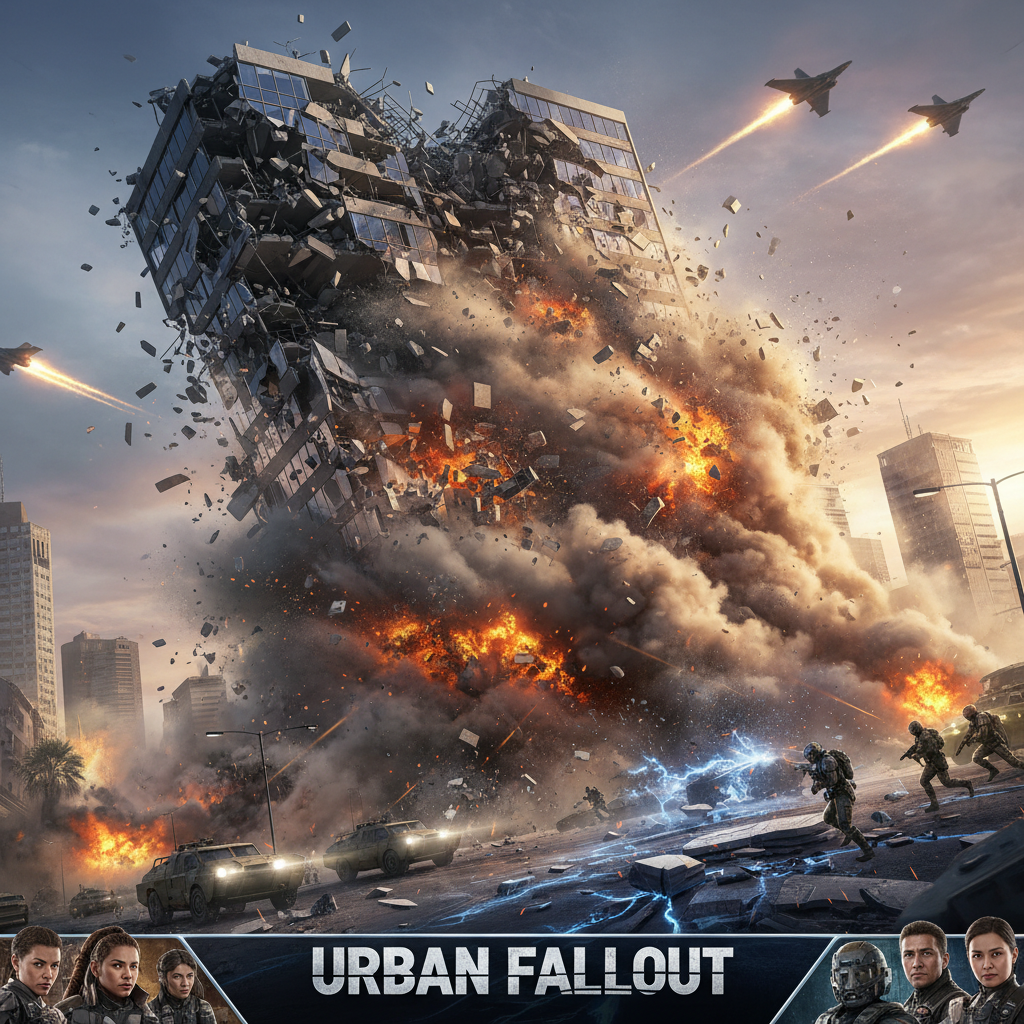
What “Fully Destructible” Usually Means (and What It Doesn’t)
When people say “fully destructible,” they usually mean the environment responds broadly and consistently, not just in a few marked spots. In practice, most games land on a spectrum.
- Object destruction: props, furniture, windows, cover objects break reliably, but the building stays mostly intact.
- Structural destruction: walls, floors, beams can fail, and collapse changes sightlines, cover, and movement routes.
- Terrain deformation: you can dig, crater, tunnel, or reshape the ground itself.
- Scripted destruction: looks big, but only happens at set moments, often with limited gameplay impact.
Also worth saying out loud: “fully destructible” rarely means every pixel of every map is destroyable. Developers balance performance, multiplayer fairness, and level readability, so even the best games put limits in smart places.
Best Games With Destructible Environments (Picked for Real Gameplay Impact)
Below are titles that many players point to when they want destruction that matters. Some do it via physics, some via voxels, and some via clever multiplayer design.
The Finals
If you want buildings to stop being buildings mid-match, this is a strong pick. Walls, ceilings, and entire structures can come down, and that reshapes fights fast.
- Why it stands out: structural collapse creates new angles, removes cover, and can wipe out objectives if teams get reckless.
- Good for: competitive players who enjoy chaos but still want readable gunplay.
- Watch for: the meta shifts; destruction can be powerful, but not always the smartest play.
Red Faction: Guerrilla (Re-Mars-tered)
This is still the go-to reference for “let me tear the place down my way.” Its Geo-Mod tech focuses on structures, so you can dismantle buildings piece by piece instead of hunting for weak points.
- Why it stands out: demolition becomes a puzzle, not a cutscene.
- Good for: players who enjoy methodical destruction and sandbox problem-solving.
Teardown
Teardown is voxel-based, which is a big reason the destruction feels so complete. You can carve holes, remove load-bearing sections, and improvise routes through “solid” spaces.
- Why it stands out: destruction is the planning tool, especially when objectives require speed.
- Good for: creative players who like experimenting, plus PC players with decent hardware.
Battlefield series (especially Bad Company 2, Battlefield 4, Battlefield 1)
Battlefield popularized the idea that cover should not be permanent. Different entries do destruction differently, but the best moments come from terrain craters, blasted facades, and buildings losing their safe spots.
- Why it stands out: large-scale fights where destruction changes flow, not just visuals.
- Good for: multiplayer fans who want “warzone” vibes and shifting frontline cover.
Deep Rock Galactic
This is terrain deformation with a purpose. Almost everything in the cave systems can be dug through, and team roles make that deformation tactical instead of random.
- Why it stands out: you literally reshape the level to survive, escape, and reach objectives.
- Good for: co-op groups, especially if you like planning routes and rescue paths.
Rainbow Six Siege
Not “fully destructible” in the sense of total collapse, but arguably one of the most meaningful implementations. Soft walls, floors, and ceilings create vertical play, sightlines, and new entry points.
- Why it stands out: controlled destruction supports strategy, information play, and team roles.
- Good for: tactical FPS players who like learning maps deeply.
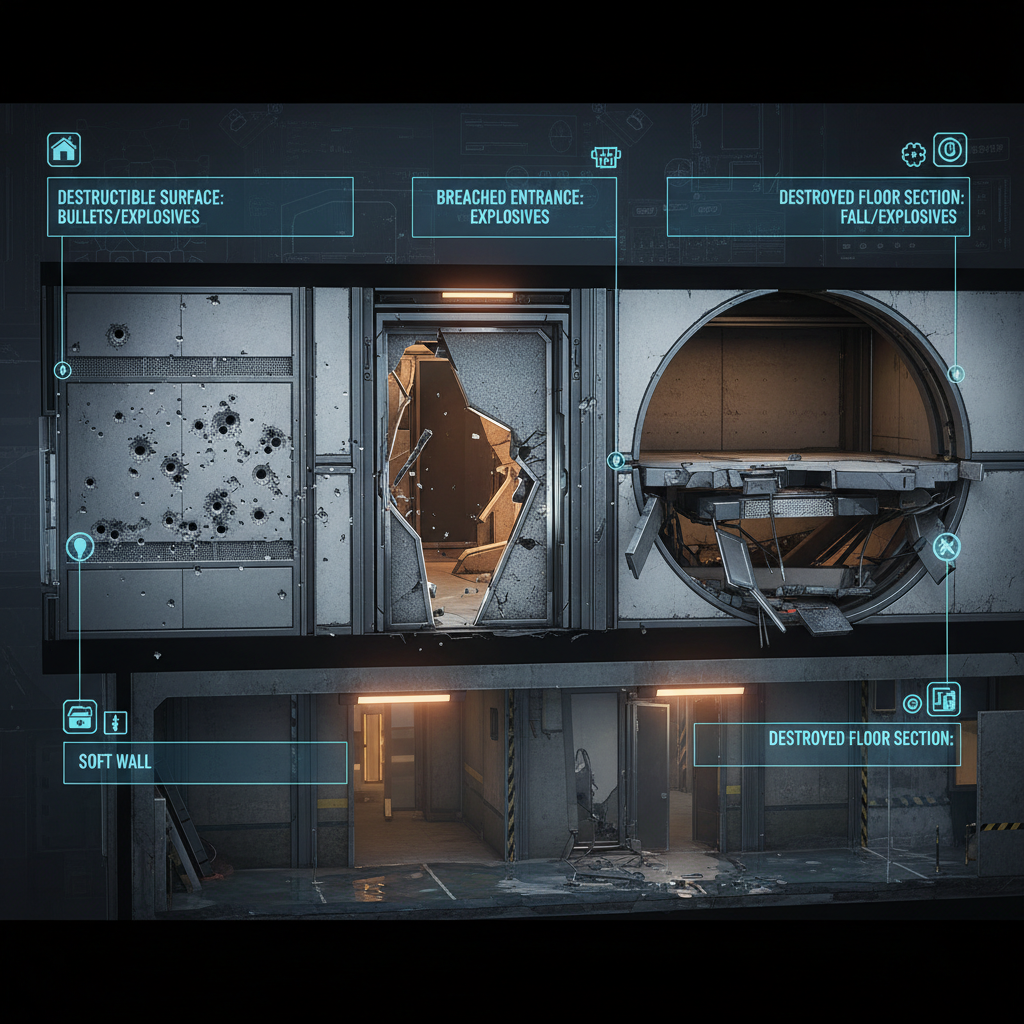
Quick Comparison Table: Which Kind of Destruction Are You Actually Buying?
If you’re browsing sales, this is the fastest way to match expectations to reality.
| Game | Destruction Type | Single/Multiplayer | Best For |
|---|---|---|---|
| The Finals | Structural collapse + debris | Multiplayer | Chaos + competitive play |
| Red Faction: Guerrilla | Structural demolition | Primarily single-player | Sandbox destruction problem-solving |
| Teardown | Voxel destruction | Single-player (mods vary) | Creative planning, improvisation |
| Battlefield (selected entries) | Cover destruction + partial building damage | Multiplayer | Large-scale battles with shifting cover |
| Deep Rock Galactic | Terrain deformation | Co-op multiplayer | Team-based navigation and survival |
| Rainbow Six Siege | Selective tactical destruction | Multiplayer | Methodical, map-knowledge advantage |
A Fast Self-Check: Do You Mean “Spectacle” or “Systems”?
Before you commit, answer these honestly. Your answers point to different “best games with destructible environments fully” options.
- I want collapse and rubble more than I want precision angles. That usually means physics-heavy structural games.
- I want to carve my own path through walls or terrain. Look for voxel or deformation systems.
- I want destruction to be fair in PvP, not a spam-fest. Tactical “limited destruction” can feel better than total flattening.
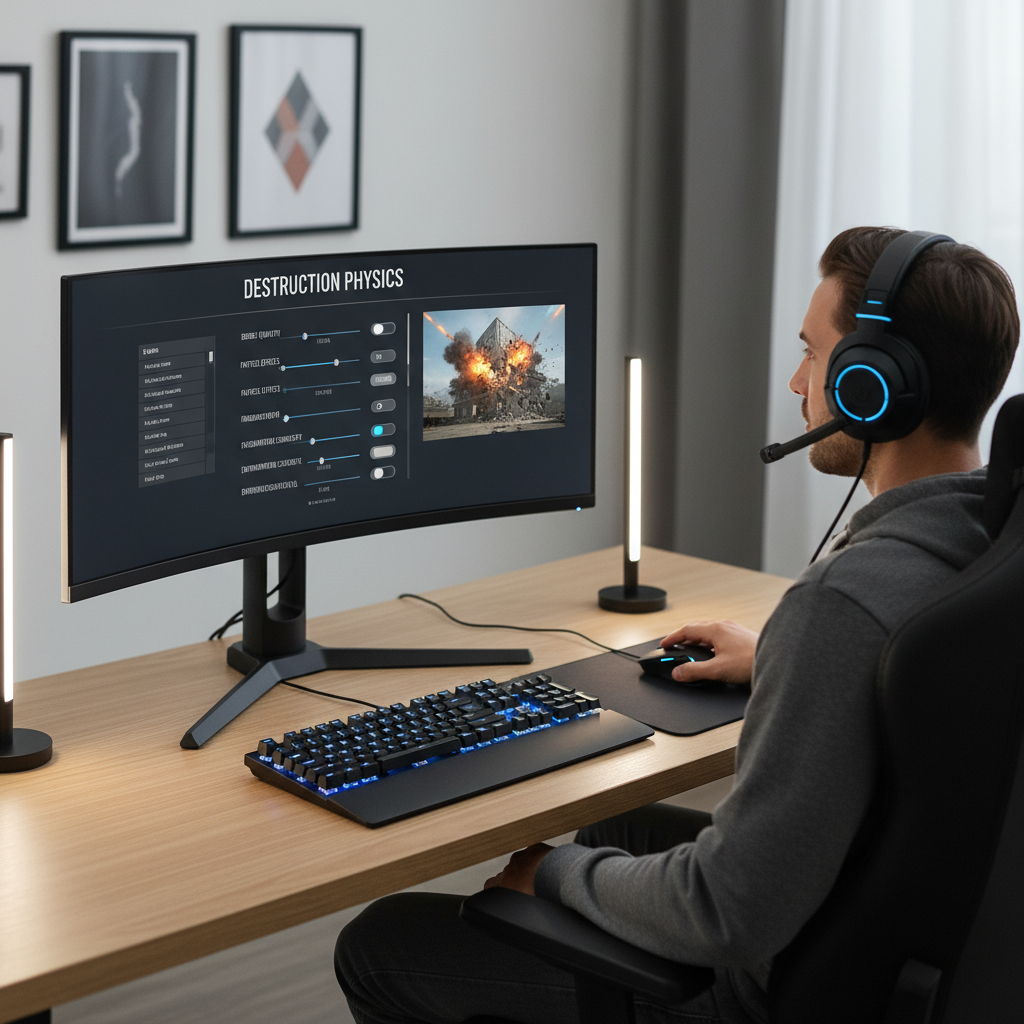
- I care about performance and stable frame rate. Heavy destruction often demands stronger hardware or lower settings.
According to ESRB, game ratings and content descriptors help you understand violence intensity and suitability; if destruction-heavy shooters aren’t your thing, you can use those descriptors to filter choices more confidently.
How to Choose (Practical Buying Advice That Saves You Time)
Store pages rarely explain destruction well, so use a few quick checks that usually reveal the truth.
1) Watch 3 minutes of unscripted gameplay
Look for repeated behavior: can players break walls in multiple rooms, or only in one obvious set piece? If it only happens once, it’s often scripted.
2) Search “destruction limits” or “what is destructible”
Community threads can be blunt, which helps. Pay attention to phrases like “only soft walls” or “only certain buildings,” those are not dealbreakers, but they’re reality.
3) Think about the mode you’ll play most
Some games showcase destruction in campaign missions, while multiplayer uses tighter restrictions for balance. If you primarily play PvP, prioritize titles where destruction stays relevant in that mode.
4) Don’t ignore accessibility and motion comfort
Fast collapse, heavy particle effects, and constant camera shake can feel intense. If you’re sensitive to motion or light effects, it may help to check if the game offers screen shake and blur toggles, and consider asking a medical professional if you have a condition that could be affected.
Common Mistakes: Why “Destruction” Sometimes Feels Bad
Destruction can be impressive and still not feel fun, and it’s usually for predictable reasons.
- Confusing debris with meaningful change: lots of particles look great, but if sightlines and routes stay the same, gameplay barely shifts.
- Expecting total freedom in competitive modes: PvP needs constraints, otherwise matches turn into “flatten everything” every round.
- Ignoring sound and readability: some games nail destruction physics but make it hard to understand what’s still solid under pressure.
- Buying for one viral clip: destruction highlight reels can be real, but not always representative of normal play.
When you’re shopping for best games with destructible environments fully, it helps to treat “fully” as “consistent enough to plan around,” not “every surface, every time.” That mindset prevents most buyer’s remorse.
Key Takeaways (Save This for Later)
- Pick the destruction type first: structural collapse, terrain deformation, or tactical breaches.
- Teardown and Red Faction lean toward “systems” you can exploit creatively.
- The Finals and Battlefield tend to deliver big moments where maps genuinely change mid-fight.
- Rainbow Six Siege proves limited destruction can still feel deeper than total chaos.
Conclusion: A Better Way to Buy Destruction Games
If you’re chasing best games with destructible environments fully, the smartest move is matching your fantasy to the right implementation: collapse spectacle, dig-anywhere freedom, or tactical breaches. Once you pick that lane, the “best” titles become obvious, and you stop paying for marketing words.
Action idea: pick one game from the table, then watch a short, uncut match or mission focused on destruction. If the environment changes choices, not just visuals, you found your kind of “fully destructible.”
FAQ
What are the best games with fully destructible environments on console?
It depends on what you mean by “fully,” but multiplayer titles with meaningful destruction often appear on modern consoles. For pure structural demolition, older classics may be available via remasters or backward compatibility, while tactical destruction tends to be common in competitive shooters.
Is there any game where every building is 100% destructible?
In most cases, no. Even games famous for destruction usually set boundaries for performance and design clarity. Voxel-based games can feel closer to “everything breaks,” but they still impose limits somewhere.
Which game has the most realistic destruction physics?
“Realistic” can mean different things: believable collapse, consistent materials, or predictable load-bearing behavior. Physics-heavy shooters can look realistic in motion, while voxel sandboxes may feel realistic in terms of what you can remove and rebuild.
Are destructible environments bad for competitive balance?
They can be, if destruction removes all stable cover or creates unavoidable spam strategies. Games that succeed usually limit destruction types, telegraph what can break, and design objectives around the chaos instead of fighting it.
Does destruction hurt performance and frame rate?
Often, yes. Debris, particles, and dynamic lighting can add load, especially on PC. If performance matters to you, look for settings that control debris, physics, and effects, and don’t feel bad about turning them down.
What should I search to confirm a game’s destruction is not scripted?
Try queries like “destruction system explained,” “what is destructible,” or “unscripted destruction gameplay.” You want to see players repeat destruction in different locations, not only in one cinematic mission.
Is Minecraft considered a destructible environment game?
In a broad sense, yes, since the world is built around modifying terrain and structures. But if your goal is cinematic, physics-driven collapse and debris, Minecraft scratches a different itch than shooters or voxel heist games.
Which is better for co-op: terrain deformation or building destruction?
Co-op often benefits more from terrain deformation because teams can create paths, safe zones, and escape routes together. Building destruction can be fun in co-op too, but it’s easier for one player to accidentally ruin a plan.
If you’re trying to pick one title without overthinking it, start by deciding whether you want tactical control or pure chaos, then use the table to shortlist two games and watch uncut gameplay for both, it’s usually the quickest way to avoid a mismatch.