
best vr rpg games 2026 is a search you make when you want something deeper than “another wave shooter,” but you also don’t want to waste $30–$70 on a VR RPG that feels empty after two sessions.
VR role-playing can be incredible when the game nails three things: comfortable movement, satisfying combat feedback, and progression that actually changes how you play. Miss any one of those and it turns into a tech demo with quests.
This guide focuses on practical picks and how to choose based on headset, comfort tolerance, and the kind of RPG loop you like, loot chasing, story choices, party tactics, or pure dungeon crawling.
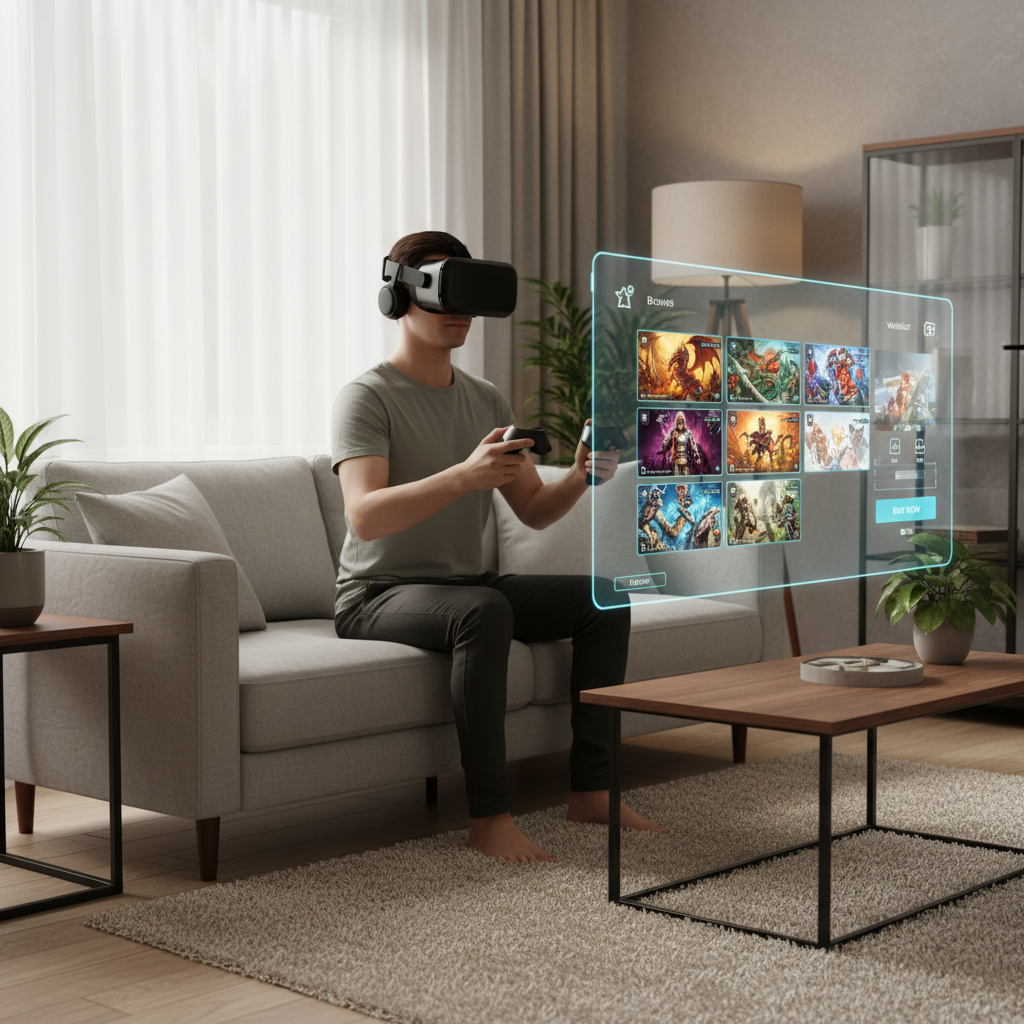
What “best” means for VR RPGs in 2026 (and what usually disappoints)
People say “RPG,” but they might mean totally different things in VR. In practice, most VR RPG frustration comes from one of these mismatches.
- You want story choices, but the game is really a combat sandbox with light quest text.
- You want progression depth, but the build system is a couple of upgrades and a crafting bench.
- You want immersion, but interaction is limited to opening drawers and pulling levers.
- You want comfort, but the “best” game assumes smooth locomotion and high VR tolerance.
My working definition for the best VR RPG games in 2026 is simple: the game should be worth your time even after the honeymoon period, when the novelty of VR wears off and you’re judging it like a normal RPG.
Key takeaways: pick based on your comfort setting first, then platform fit, then RPG loop. If you reverse that order, you often buy the “coolest” option and stop playing.
Quick comparison table: top VR RPG picks by play style
Not every great VR RPG works for every headset or stomach. Use this as a short list, then jump to the selection checklist and tips.
| Game | Best for | Platform notes | Comfort notes | Why it makes the list |
|---|---|---|---|---|
| Skyrim VR | Open-world role-play, modding | PC VR (SteamVR) | Often smoother with comfort mods | Still unmatched for “live in a world” RPG scale |
| Asgard’s Wrath 2 | Big campaign, action-adventure RPG | Meta Quest (standalone) | Comfort options available, still intense for some | High production values and long-form progression |
| Into the Radius | Survival RPG loops, tension, scavenging | PC VR and Quest (version varies) | Can be demanding due to movement and stress | Deep “prep, risk, return” progression that sticks |
| Demeo | Tabletop party tactics | Quest, PC VR, PS VR2 (availability varies) | Very comfortable for most players | Social, strategic, easy to jump into repeatedly |
| Legendary Tales | Co-op dungeon ARPG | PC VR | Active melee can be tiring | Loot/build loop feels closer to classic ARPGs |
| Zenith: The Last City | MMO-style grinding and social play | Quest and PC VR (check current support) | Comfort varies by locomotion settings | Persistent character loop and community-first design |
According to Steam (Steam Store and SteamVR ecosystem), PC VR players still heavily rely on platform tools like user reviews, hardware requirements, and community hubs to judge long-tail playability, which matters a lot for RPGs that live or die on endgame and mods.
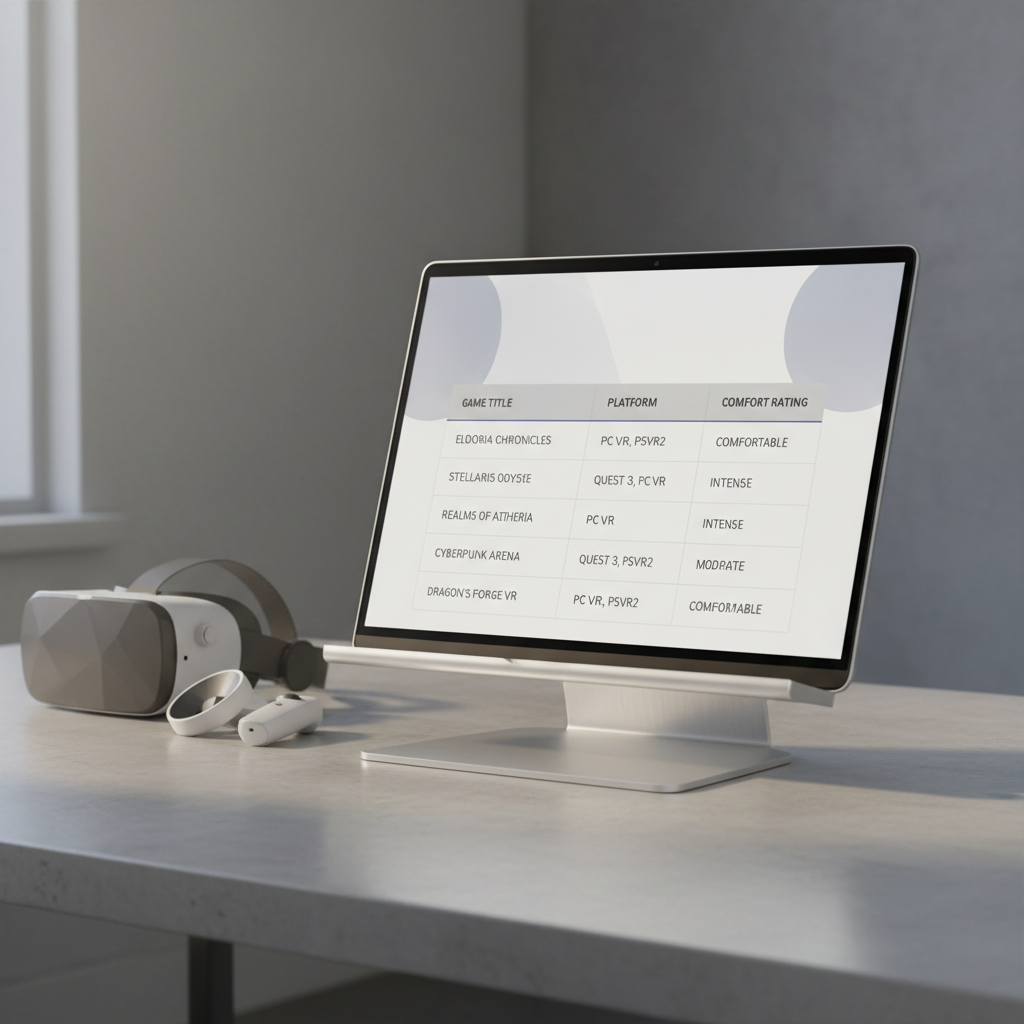
Why VR RPGs feel hit-or-miss: the real-world reasons
When a VR RPG disappoints, it’s rarely because “VR isn’t ready.” It’s usually one of these practical issues.
- Locomotion compromises: great combat in a small arena, but traversal feels awkward, slow, or nausea-inducing.
- Interaction fatigue: realistic reloading and inventory handling is cool, until it becomes busywork mid-quest.
- Content pacing: a strong first hour, then repeated objectives and thin quest variety.
- Build depth vs. VR clarity: complex builds can be hard to communicate cleanly inside a headset UI.
- Hardware constraints: standalone VR trades raw complexity for mobility; PC VR trades convenience for setup friction.
Put bluntly, the best VR RPG games 2026 will be the ones that respect how people actually play VR in the US: shorter sessions, comfort needs, and a low tolerance for fiddly menus.
Self-check: choose your “right” VR RPG in 2 minutes
Before you buy anything, answer these quickly. You’ll avoid most regret purchases.
1) Your comfort level
- Low comfort: prefer teleport, snap turning, seated play, minimal artificial movement.
- Medium comfort: can do smooth walk with vignettes, short sprints, occasional climbing.
- High comfort: smooth loco, smooth turning, fast traversal, intense combat.
2) Your RPG loop
- Story-first: quests, characters, dialogue choices, exploration.
- Build-first: stats, loot, crafting, theorycrafting.
- Skill-first: parrying, aiming, physical positioning, “get better” mastery.
- Social-first: co-op campaigns, tabletop vibes, MMO communities.
3) Your platform reality
- Quest-only: prioritize polished standalone releases and comfort options.
- PC VR: you can chase depth and modding, but expect tinkering.
- PS VR2: prioritize curated catalog and controller haptics, watch availability.
If you’re still torn, choose comfort and session length over “most ambitious.” Most people quit VR RPGs because they feel physically taxing, not because the lore is weak.
Practical recommendations: how to get the best experience (not just the best game)
Buying the right title helps, but a few setup habits often matter more than people admit.
- Start with comfort settings turned on, then ease them off over a week. Turning everything off day one is how you learn to hate VR.
- Prioritize stable frame rate over ultra visuals on PC VR. Reprojection and stutter can make even strong RPG design feel bad.
- Use controller straps for melee-heavy RPGs. Grip fatigue ruins long sessions.
- Calibrate floor height and guardian before a long quest session. Small errors cause constant “why is my sword low?” irritation.
According to the U.S. Food and Drug Administration (FDA), some users can experience motion sickness, dizziness, or eye strain with virtual reality, so if you’re prone to nausea, take breaks and consider more conservative locomotion options, and if symptoms persist it’s reasonable to consult a healthcare professional.
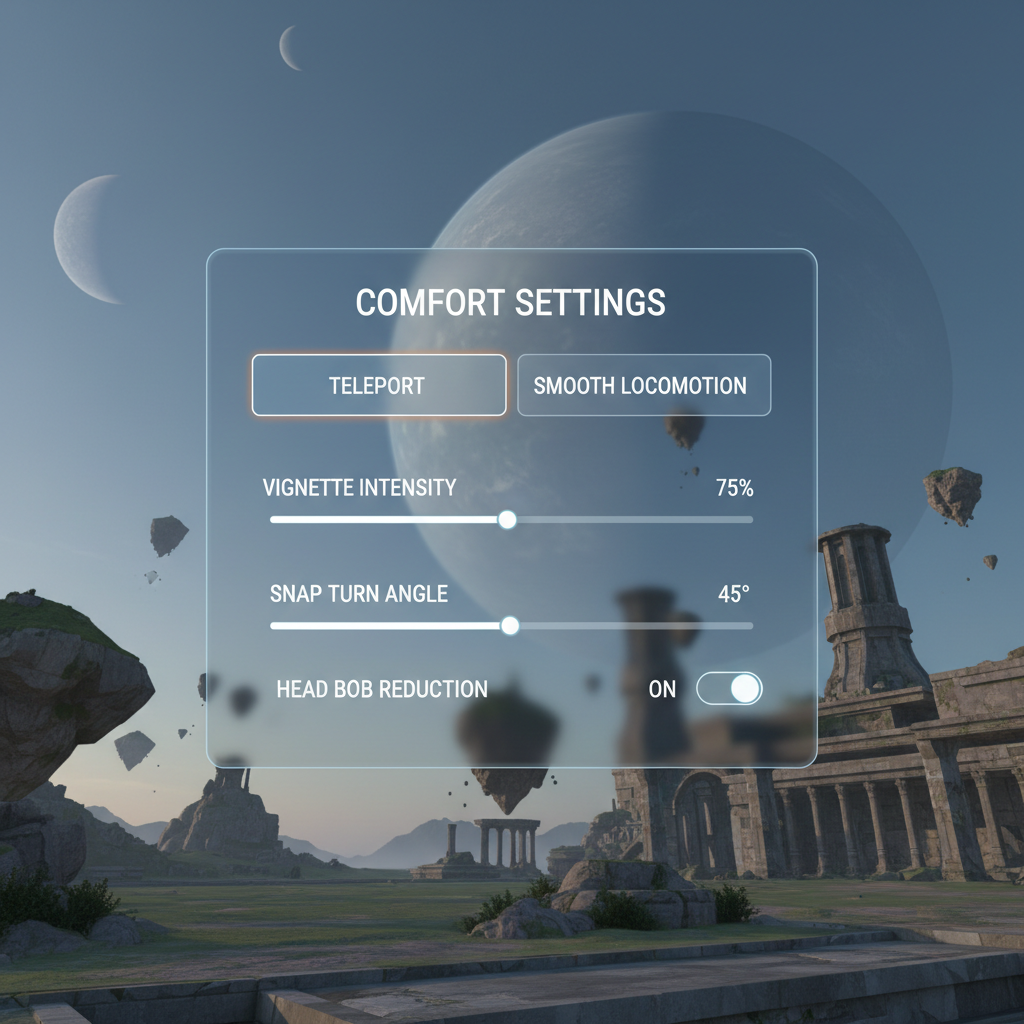
Common mistakes when shopping for VR RPGs (easy to fix)
A few patterns show up every year, and they’re especially relevant when you’re hunting best vr rpg games 2026 lists that mix PC VR, Quest, and console together.
- Overweighting hype trailers: trailers don’t show menu friction, inventory pain, or long-term variety.
- Ignoring mod dependency: some “best” PC VR RPG experiences assume community mods; that’s fine, just be honest with yourself about setup time.
- Buying for “length” alone: a 40-hour campaign that feels uncomfortable is functionally shorter than a 10-hour game you replay.
- Forgetting play space: roomscale melee is fun, until your space forces micro-steps and constant recentering.
If you only fix one thing, fix expectations: VR RPGs often trade breadth for presence, and the good ones make that trade feel worth it.
When it’s worth getting extra help (hardware, comfort, or accessibility)
If VR consistently makes you feel sick, disoriented, or headachy, treat that as a real signal, not a “push through it” challenge. Adjust comfort options, shorten sessions, and consider speaking with a clinician if symptoms persist or feel intense.
On the hardware side, if your PC VR setup stutters or you’re unsure about GPU/CPU headroom, it can be worth asking in a headset-specific community or a local PC shop. You don’t need the most expensive rig, but you do need stable performance for RPG-length sessions.
Conclusion: pick the VR RPG you’ll actually finish
The best VR RPG games 2026 won’t be the same for everyone, and that’s not a cop-out, it’s the reality of comfort, platform limits, and personal RPG taste. Use the table to shortlist, use the self-check to sanity-test, then commit to one game and tune comfort settings like you mean it.
If you want a simple next step, choose one title that matches your platform, turn on comfort assists for your first few sessions, and give it enough time to reach the “build clicks” moment before judging it.