
best vr logic games 2026 is a search people make when they want puzzles that feel clever in VR, not just “find the key, open the door” with extra steps.
Logic games can be amazing in a headset because you’re not only solving rules, you’re manipulating space, timing, and attention, and that changes what “difficulty” even means. But it also means some puzzle titles look brilliant on a store page, then fall apart once you deal with comfort, tracking, or unclear interactions.
This guide focuses on practical picks and how to choose among them, including a quick comparison table, a “what you actually like” checklist, and a few setup tips that reduce friction. I’ll also flag common red flags so you can skip games that waste your time.
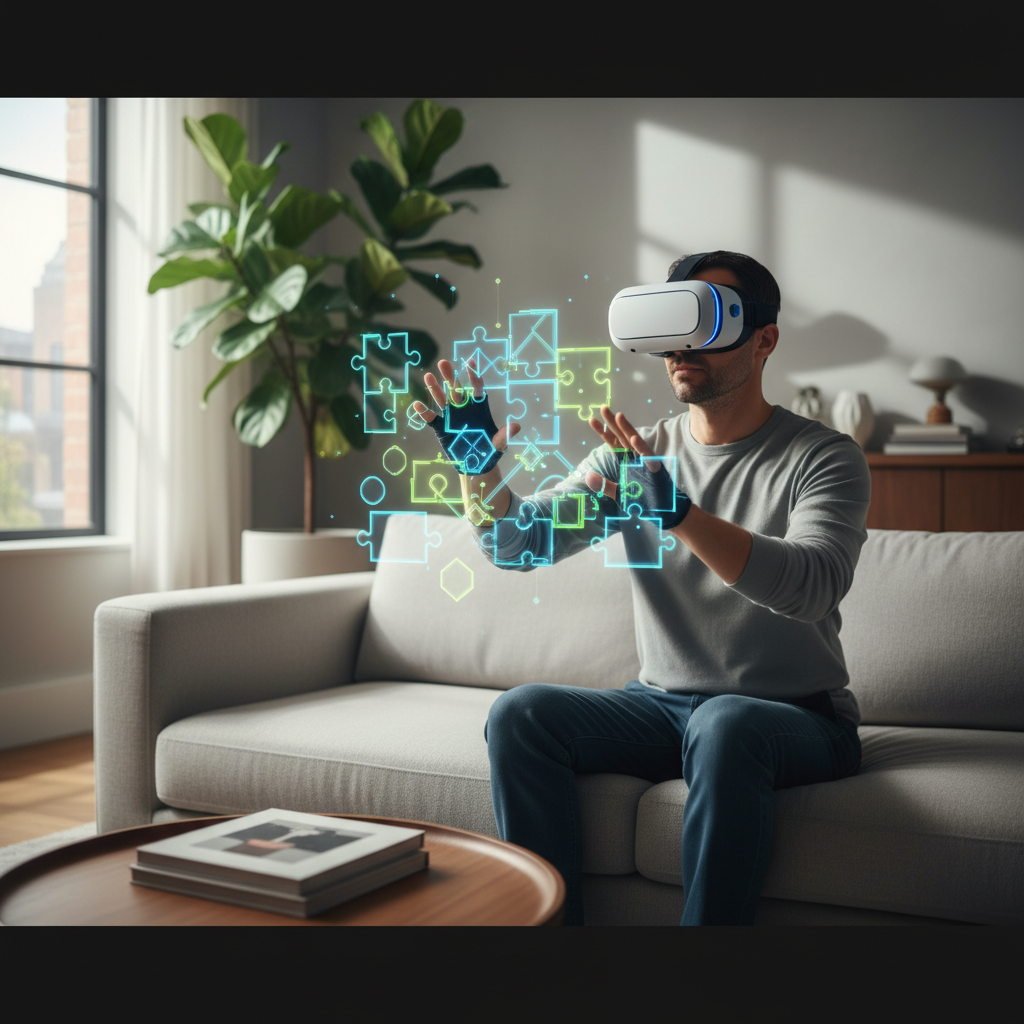
What “logic” means in VR (and why some puzzle games disappoint)
In VR, “logic” usually shows up in three flavors, and knowing which one you enjoy saves you from impulse buys.
- Spatial reasoning: rotating, stacking, navigating, or “thinking in 3D.” Great in-room-scale, sometimes exhausting when overused.
- Rule-based deduction: patterns, constraints, and inference, more like chess problems or sudoku thinking, often calmer.
- System puzzles: you learn a “machine” or world rules, then apply them creatively, fun but can feel vague without good feedback.
Where VR puzzle games often disappoint is not the brainwork, it’s the interaction clarity. If grabbing, turning, or aligning objects feels finicky, the challenge stops being logical and starts being physical.
According to the Oculus Best Practices (Meta) comfort guidance, reducing discomfort often depends on predictable motion and clear user control, and puzzle games that ignore this can feel rough even if the puzzles themselves are smart.
Quick comparison table: how to shortlist the best picks
If you’re browsing best vr logic games 2026 lists, try filtering by what you care about most: platform, comfort, and the kind of thinking you want.
| Game | Logic focus | Comfort (typical) | Best for | Platforms (common) |
|---|---|---|---|---|
| The Room VR: A Dark Matter | Mechanical deduction | High | Escape-room style, tactile puzzles | Quest, PC VR, PS VR |
| I Expect You To Die (series) | Scenario logic | High | Seated play, witty problem solving | Quest, PC VR, PS VR |
| Red Matter / Red Matter 2 | Environmental logic | Medium-High | Story + puzzles + atmosphere | Quest, PC VR, PS VR |
| A Fisherman’s Tale (and sequel) | Spatial recursion | High | Mind-bendy scale puzzles | Quest, PC VR, PS VR |
| Statik | Rule-based hands puzzle | High | Pure logic, minimal motion | PS VR |
| Moss (Book I & II) | Light logic + diorama navigation | High | Gentle puzzles with charm | Quest, PC VR, PS VR |
Table aside, your real shortlist should include at least one “comfort-first” title. Logic games are supposed to feel satisfying, not like you’re fighting locomotion settings.

Best VR logic games 2026: the short list (with who each one fits)
These aren’t “new for 2026 only.” In practice, the best vr logic games 2026 often include proven titles that still outperform newer releases because their interactions read cleanly and their puzzle design stays fair.
The Room VR: A Dark Matter
Pick this if you like layered mechanisms, hidden compartments, and the feeling that every knob exists for a reason.
- Why it works in VR: hands-on inspection, close-up details, satisfying “click” feedback.
- Watch for: if you want pure abstract logic, this leans toward tactile mystery-box design.
I Expect You To Die (1–3)
Pick this if you enjoy “figure it out” scenarios with humor, where the logic is in sequencing and observation.
- Why it works in VR: mostly seated, clear interactables, repeatable experimentation without punishment.
- Watch for: you’ll fail a few times, by design, so patience helps.
Red Matter (1–2)
Pick this if you want puzzles with strong atmosphere and story beats, where clues live in the environment.
- Why it works in VR: high immersion, readable tools, satisfying scanning/inspection loops.
- Watch for: comfort varies by player depending on movement settings.
A Fisherman’s Tale (and Another Fisherman’s Tale)
Pick this if you like “how is that even possible” puzzles, scale tricks, and recursive spaces.
- Why it works in VR: spatial logic is the whole point, and VR sells the illusion.
- Watch for: if you dislike perspective tricks, it may feel more like magic than deduction.
Statik (PS VR)
Pick this if you want concentrated logic with minimal movement, closer to brain-teaser panels than exploration.
- Why it works in VR: clear constraints, strong focus, fewer “VR gimmicks.”
- Watch for: platform limitation, and the vibe can feel intentionally odd.
Moss (Book I & II)
Pick this if you want puzzles that support an adventure, not puzzles that demand a notebook.
- Why it works in VR: diorama perspective, gentle physical interactions, low stress.
- Watch for: logic difficulty stays moderate, so hardcore puzzlers may finish fast.
A quick self-check: which puzzle style will you actually finish?
People abandon logic games for predictable reasons: the puzzles feel random, the controls irritate, or the game wants too much time per session. This checklist helps you pick something you’ll stick with.
- If you like tidy rules, you’ll usually prefer constraint puzzles, switches, codes, and mechanical devices over scavenger hunts.
- If you hate pixel-hunting, avoid games where progress depends on spotting tiny items in dim lighting.
- If you get motion-sensitive, prioritize seated or teleport-focused titles, and lower smooth turning.
- If you play in short bursts, choose games with chapter structure and quick re-orientation when you return.
- If you love “aha” moments, look for system puzzles or spatial recursion, not linear escape rooms.
One more honest note: if you routinely look up solutions, that’s not “cheating,” it’s a signal. You might like lighter logic with better hint systems rather than punishing designs.
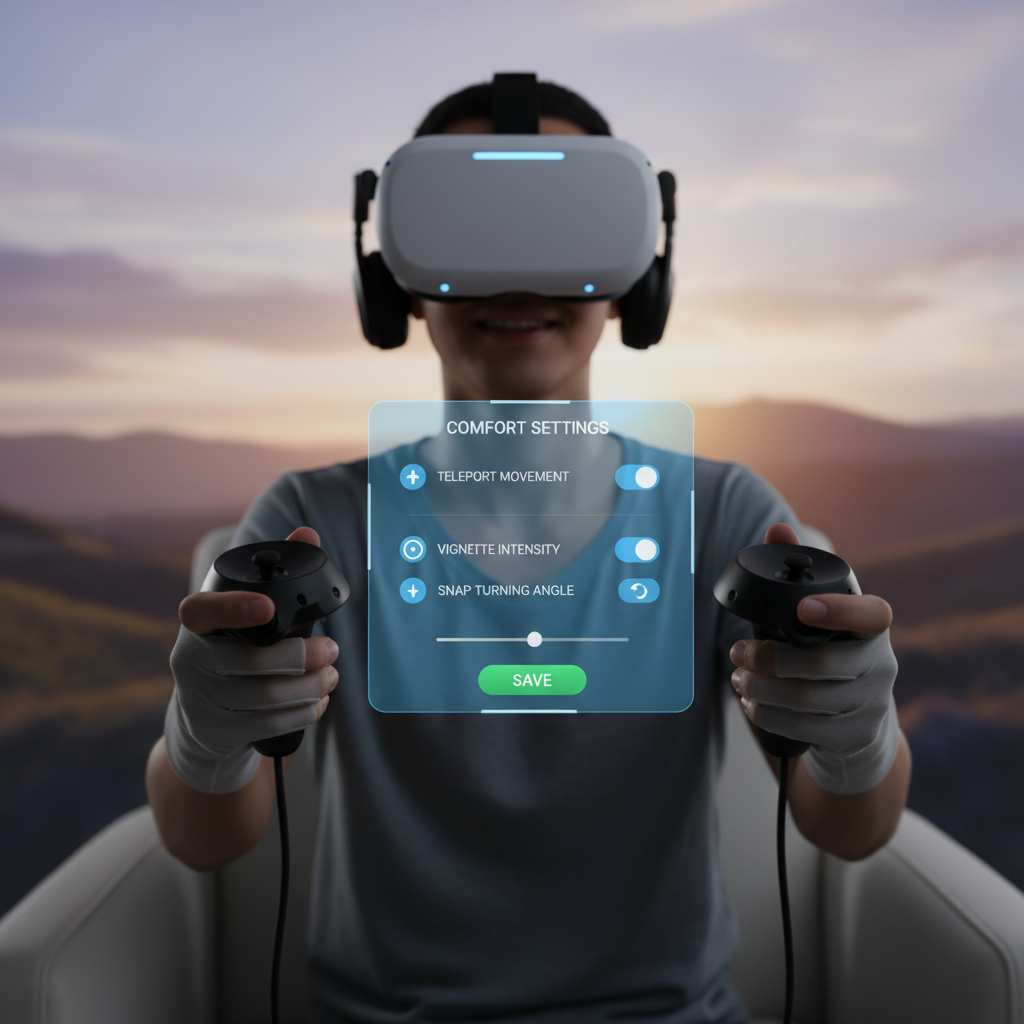
Practical setup tips that make logic games feel better
Logic games are supposed to reward attention, so small comfort tweaks matter more than in action games.
- Start seated if the game allows, even if you plan to stand later, it reduces friction while you learn interactions.
- Use snap turn if smooth turning feels “swimmy,” many players tolerate snap far better.
- Calibrate height and floor, reach-based puzzles get annoying when the virtual table sits too low or high.
- Brighten the room for inside-out tracking, dim lighting can cause subtle controller drift that feels like “bad puzzle design.”
- Keep a real notebook nearby for code-heavy games, it’s faster than in-game writing systems in many cases.
According to the CDC motion sickness guidance, reducing sensory conflict can help with nausea risk, so if you’re sensitive, conservative locomotion settings are usually the safer call, and if symptoms persist it’s reasonable to pause and consider speaking with a clinician.
Common mistakes when choosing VR logic games (and how to avoid them)
- Buying based on screenshots: puzzle readability depends on interaction feedback, not just art direction, so prioritize gameplay clips.
- Ignoring play space: room-scale puzzles can be great, but if you’re in a tight space you’ll spend more time repositioning than thinking.
- Overvaluing “hours of content”: many logic games are short by design, and that’s fine when the pacing stays sharp.
- Assuming “hard” means “smart”: sometimes “hard” is just unclear affordances, meaning the game never taught you what’s interactable.
- Skipping comfort options: even great games feel bad if you don’t adjust turning, vignette, and movement style.
If you’re reading another best vr logic games 2026 roundup and it treats comfort as an afterthought, treat that as a warning sign. In VR, comfort is part of the design.
Conclusion: a simple way to pick your next VR logic game
The best vr logic games 2026 for you depend less on what’s “top rated” and more on whether you want mechanical deduction, scenario problem-solving, or spatial mind-bends, and whether you’ll feel comfortable long enough to enjoy the thinking.
Action steps that usually work: choose one comfort-first title for weeknights, then one bigger atmospheric puzzle game for longer sessions, and watch a short gameplay clip before you buy to confirm interactions look clean. If you do that, you’ll waste less money on puzzles that only sound good on paper.
FAQ
What are the best VR logic games 2026 for Quest players?
Many Quest players start with The Room VR or I Expect You To Die because the interactions read clearly and comfort tends to be forgiving. If you want more atmosphere, Red Matter is often a good next step, assuming you choose movement settings that feel stable.
Are VR logic games good for motion sickness?
They can be, because lots of logic titles support teleport or seated play, but it varies by game and by person. If you’re sensitive, prioritize titles with snap turning and minimal forced movement, and consider shorter sessions.
Which VR puzzle games feel closest to an escape room?
The Room VR leans into mechanism-based “escape room” logic, and I Expect You To Die has escape-room structure with more scripted scenarios. If you like searching environments, story-driven options like Red Matter can scratch a similar itch.
Do I need room-scale to enjoy VR logic games?
No, many strong puzzle games play well seated or standing in place, and that’s often ideal for focus. Room-scale becomes more important for physical manipulation puzzles, but it’s not a requirement for good logic design.
What should I look for in reviews of VR logic games?
Look for comments about interaction clarity, hint systems, and comfort settings, not just “the puzzles are hard.” If multiple reviewers mention fiddly grabbing or unclear objects, that usually shows up in your experience too.
Are story-heavy VR puzzle games still “logic games”?
Often, yes, but the logic load may be lighter and more contextual, meaning you solve by observation and tool use rather than pure deduction. If you want intense reasoning, pick games that emphasize constraints and systems over narrative.
How do I avoid getting stuck for hours?
Choose games with a built-in hint system or clear goal framing, and set a personal rule like “10 minutes, then take notes, then consider a hint.” It keeps the experience fun and prevents frustration from turning into quitting.
If you’re deciding between a few best vr logic games 2026 contenders, it can help to share your platform, comfort sensitivity, and whether you prefer mechanical puzzles or spatial mind-benders, then you can narrow to one “sure bet” and one stretch pick without overthinking it.