
Top games with dynamic weather and storms are worth hunting down if you’re tired of skies that never change, rain that feels like a looped filter, and “storms” that don’t affect gameplay at all.
Dynamic weather can be pure atmosphere, but the best versions do more, they shift visibility, change traction, force different routes, and even reshape how you approach fights. It’s one of those features you notice most when it’s missing.
This guide focuses on games where weather and storms feel meaningful, not just pretty. I’ll also call out what “dynamic” tends to mean in practice, plus a quick checklist so you can pick something that matches your taste, cozy exploration, hardcore survival, or competitive driving.

What “dynamic weather” actually means (and why it matters)
In most games, “dynamic weather” usually falls into a few buckets. Some titles rotate through conditions on a timer, others react to location, elevation, or time of day, and a smaller group treats storms as systems that affect mechanics.
- Visual dynamism: cloud cover, fog, rain, snow, lighting shifts, wet surfaces.
- Mechanical impact: reduced visibility, different enemy behavior, traction changes, fire spread, stamina drain, temperature effects.
- Systemic storms: events that move through the map, forcing you to shelter or reroute.
According to the NOAA National Weather Service, severe storms often involve rapidly changing wind, visibility, and precipitation patterns. Games obviously simplify that, but the good ones borrow the feeling: conditions shift, your plan changes with them.
A quick comparison table: where weather feels most “alive”
Here’s a practical shortlist. The point isn’t to rank them as “best,” it’s to help you match a game to the kind of weather experience you want, cinematic, tactical, survival-focused, or driving-heavy.
| Game | Genre | Storm/Weather Strength | What it changes |
|---|---|---|---|
| Forza Horizon 5 | Racing (Open world) | High | Traction, visibility, driving lines |
| Microsoft Flight Simulator | Simulation | Very High | Wind, turbulence, IFR/VFR decision-making |
| The Legend of Zelda: Breath of the Wild | Adventure (Open world) | Medium-High | Climbing, lightning risk, elemental interactions |
| Red Dead Redemption 2 | Action (Open world) | Medium | Visibility, mood, travel comfort |
| Ghost of Tsushima | Action (Open world) | Medium | Atmosphere, readability, stealth vibe |
| Death Stranding | Traversal/Adventure | High | Route planning, risk management, timing |
| Sea of Thieves | Co-op (Sandbox) | High | Navigation, ship control, combat chaos |
Top picks: games where storms aren’t just decoration
Forza Horizon 5 (and other modern racers with wet handling)
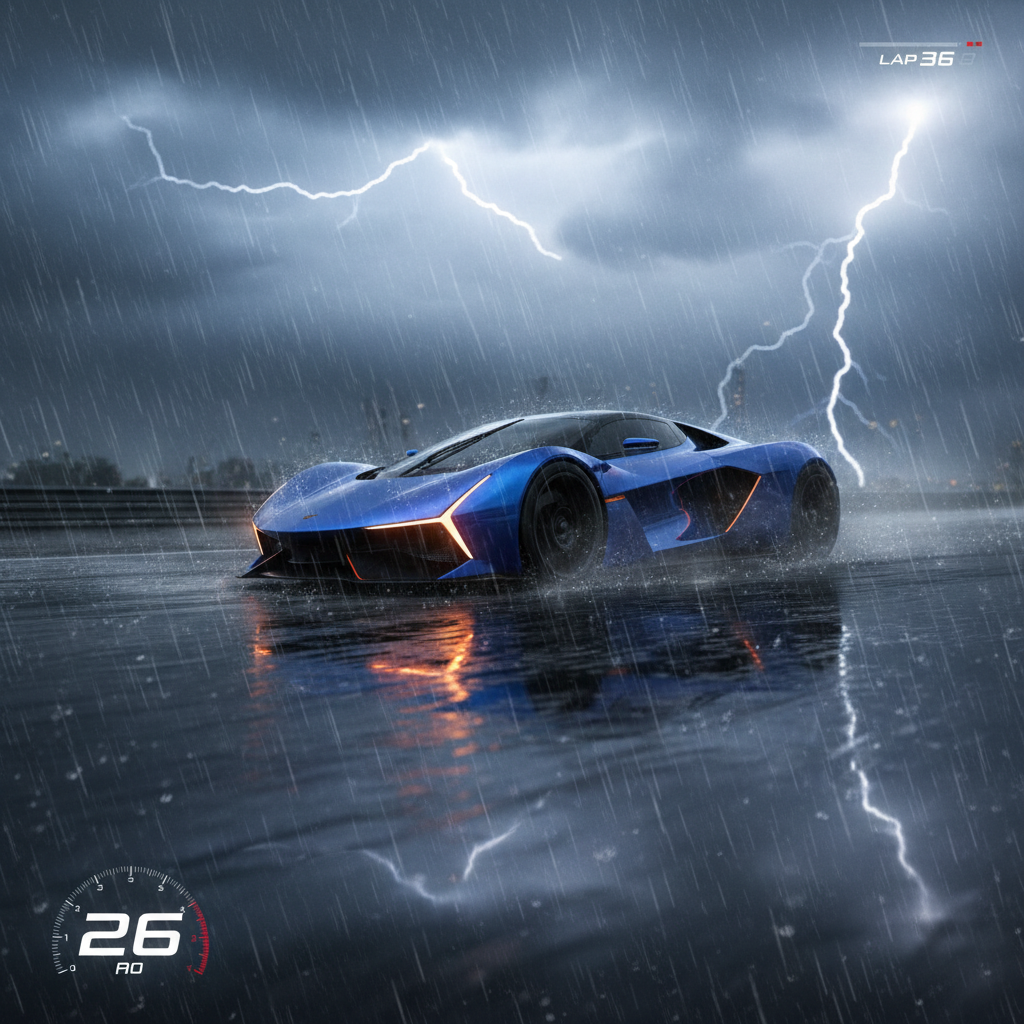
If your idea of “dynamic weather” is feeling the road change under you, this is the sweet spot. Storms and seasonal shifts make you drive differently, braking distances and grip feel less forgiving, and visibility can force smarter lines instead of full-throttle autopilot.
- Best for: players who want weather to affect performance, not just scenery.
- Watch for: accessibility assists can reduce the impact, which is great if you want it, but it can also flatten the “storm challenge.”
Microsoft Flight Simulator (weather as a real planning problem)
Flight sims are almost unfair in this category because weather naturally matters. Wind, clouds, and visibility become part of decision-making, and storms can turn a relaxing trip into a “stay ahead of the situation” exercise. If you want the most convincing weather behavior, this is often where people end up.
According to the FAA, weather is a major factor in flight planning and in-flight decision-making. In sim form, that translates to route choices, approach selection, and whether you stay VFR or lean on instruments, depending on how you play.
The Legend of Zelda: Breath of the Wild (lightning changes how you behave)
This is one of the clearest examples of weather driving moment-to-moment choices. Rain affects climbing, thunderstorms make metal gear risky, and temperature pushes you to change clothes or cook differently. It’s not a “storm simulator,” but it’s surprisingly consistent.
- Best for: systemic weather that nudges creativity.
- Small frustration for some players: rain can block climbing when you want to go straight up, which is the point, but still annoying.
Red Dead Redemption 2 (weather as mood, plus practical friction)
If you care about immersion, this is a strong pick. Storms roll in, lighting shifts, and travel feels different when the sky turns. Mechanically it’s subtler than a survival game, but the world sells the “you’re out in it” feeling.
Death Stranding (storms as the obstacle course)
When people talk about weather as gameplay, this is the kind of design they mean. Conditions push you to plan routes, time deliveries, and decide how much risk you’re taking. It’s less about spectacle and more about pressure.
Sea of Thieves (chaotic storms you can’t ignore)
Multiplayer storms are tricky because they can feel unfair, but here they’re part of the shared story. Losing visibility, fighting the wheel, and trying to stay oriented while other crews roam nearby creates a type of tension you don’t get from scripted weather.
Self-check: what kind of storm experience are you actually looking for?
A lot of people search for top games with dynamic weather and storms, buy something gorgeous, then realize they wanted “weather that changes how I play,” not “weather that looks great in screenshots.” This checklist helps you avoid that mismatch.
- I want challenge: look for traction, temperature, stamina, or navigation effects.
- I want immersion: prioritize lighting, cloud systems, sound design, and day-night transitions.
- I want emergent stories: storms that disrupt plans in open worlds or co-op sandboxes tend to deliver.
- I hate being slowed down: avoid games where storms block traversal or punish rushing.
- I’m sensitive to motion/visibility strain: heavy fog and rain effects may be uncomfortable, consider accessibility settings.

Practical tips: how to find more weather-driven games (without wasting money)
Once you’ve played a couple of strong examples, you’ll notice store pages often oversell “dynamic weather.” These steps usually save time.
1) Look for gameplay footage where weather breaks a plan
Trailers love slow pans and rain droplets. What you want is a clip where a storm changes a route, affects a fight, or forces a different driving line. If every clip looks identical, weather may be cosmetic.
2) Search settings menus before you buy (when possible)
Many PC and console games include sliders for fog density, motion blur, film grain, and lightning flashes. If storms bother your eyes or give you headaches, those options matter more than the marketing line.
3) Use “systems” keywords, not just “weather”
- Try searches like: “weather affects gameplay”, “storm survival mechanics,” “wet road handling,” “visibility and fog gameplay.”
- For sim fans: “real-time weather,” “live weather,” “wind turbulence model.”
Common mistakes and small gotchas
- Confusing scripted storms with dynamic storms: a one-time mission storm can be awesome, but it’s not the same as a system that can happen anywhere.
- Assuming “Ultra” equals better weather: higher settings can add volumetric fog and heavier rain, but the underlying mechanics may stay the same.
- Not accounting for your display: HDR and brightness settings change how readable storms feel, especially at night.
- Ignoring accessibility concerns: lightning flashes and heavy motion effects might be uncomfortable; if you have health concerns, consider checking options and, when relevant, consulting a healthcare professional.
Key takeaways (so you can pick fast)
- Choose the “type” of weather first: driving grip, survival pressure, or immersion.
- Look for mechanical consequences: when storms change decisions, they tend to stay interesting longer.
- Start with a proven category: flight sims, modern racers, and systemic open worlds usually deliver the strongest weather feel.
Dynamic weather is one of those features that’s easy to advertise and harder to implement well, so a curated approach helps. If you want the most “alive” storms, start with Flight Simulator or a weather-sensitive racer, if you want world immersion, lean toward open-world adventures where lighting and visibility do the heavy lifting, and if you want storms to be the challenge, pick a game where weather disrupts routes and timing.
If you’re making a shortlist today, pick one game that sells the spectacle and one that forces gameplay changes, then compare how you feel after a few hours, that contrast makes your next purchase much easier.