
Best vr psychological horror games are the ones that get under your skin without relying on constant jump scares, and in VR that difference matters because your body reacts as if the space is real.
If you have ever quit a “horror” title because it felt loud, random, or motion-sickness heavy, you are not alone, psychological horror in VR is a narrower lane with higher stakes, but when it works it can feel unforgettable.
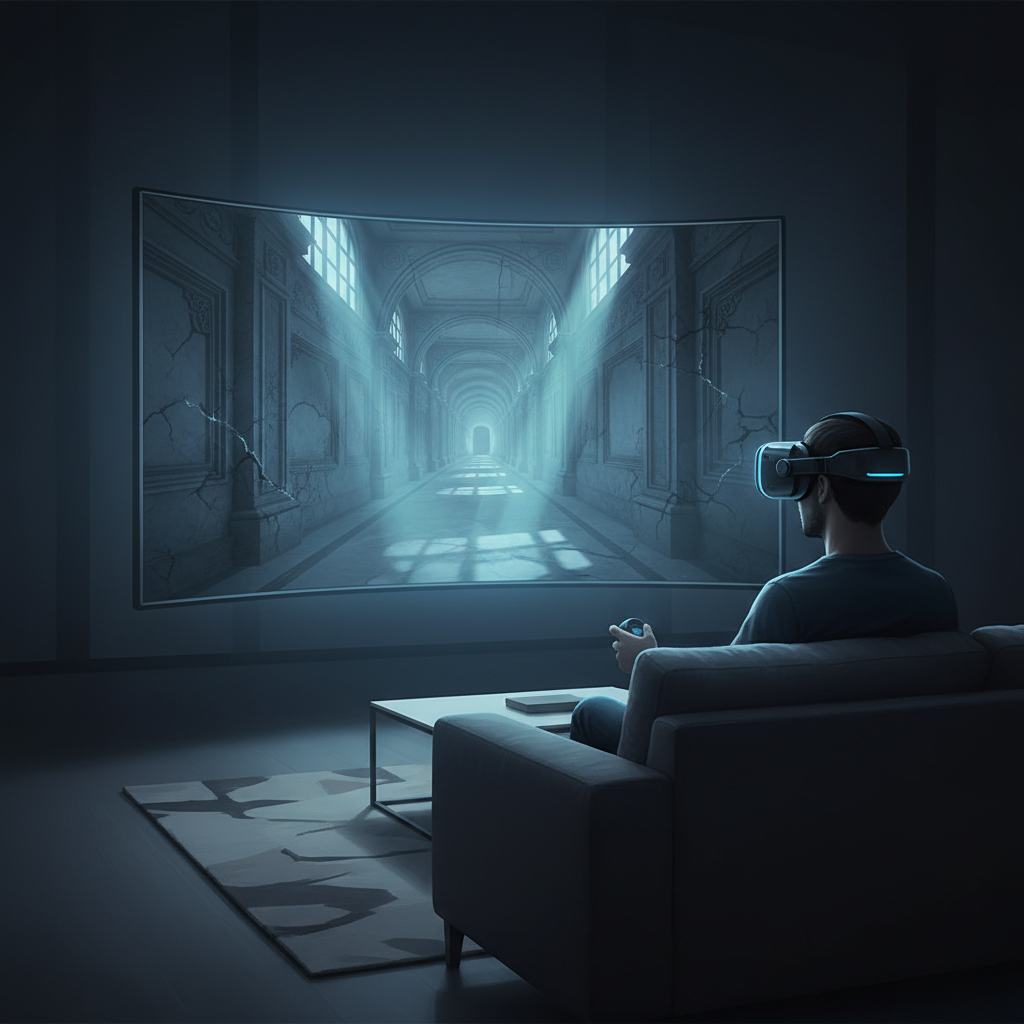
This guide focuses on games that build dread through atmosphere, sound, uncertainty, and narrative pressure, plus a practical way to pick what fits your headset, your comfort level, and your tolerance for stress.
What “psychological horror” feels like in VR (and why it hits harder)
Psychological horror usually aims for slow pressure rather than constant shocks, you question what you saw, you feel watched, you doubt your choices, and the story implies more than it shows.
In VR, that style often lands better than gore-heavy horror because presence does the heavy lifting, spatial audio, scale, and forced proximity can turn small cues into big fear.
- Atmosphere over monsters: lighting, distance, silhouettes, and silence matter more than enemy counts.
- Unreliable information: notes, radio chatter, memories, and shifting environments keep you second-guessing.
- Embodied tension: you lean, you peek, you hesitate, and that hesitation becomes part of the scare loop.
According to American Psychological Association, fear responses involve both physiological arousal and cognitive appraisal, VR tends to amplify both because your senses get more convincing input than a flat screen.
A quick comparison table: picks by “fear style” and comfort
Different players mean different “best,” some want narrative dread, some want survival panic, some want minimal motion, so here is a quick sorting tool before we go deeper.
| Game | What makes it psychological | Intensity | Comfort notes | Best for |
|---|---|---|---|---|
| Resident Evil 7 (VR mode on supported platforms) | Claustrophobic spaces, family-house nightmare logic | High | Can be intense; play seated if needed | Players who want a long campaign |
| The Walking Dead: Saints & Sinners | Moral pressure, scarcity, paranoia in traversal | Medium-High | Locomotion-heavy; comfort options vary | Survival + story tension |
| Lies Beneath | Unsettling comic-book surrealism, memory fragments | High | Often smoother than it looks; still intense | Stylized dread and set pieces |
| The Exorcist: Legion VR | Slow-burn episodes, environmental menace | Medium | Mostly room-scale pacing; good for shorter sessions | People who prefer bite-size horror |
| Layers of Fear VR | Reality shifting, unreliable space, obsession themes | Medium | Movement can feel strange; take breaks | Story-first haunted-house vibe |
| Affected: The Manor | Pure anticipation, hallway dread, pacing tricks | Medium | Simple controls; good “VR horror sampler” | First-timers testing their limits |
Best VR psychological horror games (what each does well)
Below are commonly recommended titles for U.S. players across major headsets and PC VR, availability can change by store and platform, so treat this as a shortlist to cross-check in your storefront.
Resident Evil 7 (VR mode on supported systems)
This is the “dread benchmark” for a lot of people, not because it is subtle all the time, but because it makes you live inside a hostile house where normal rules keep slipping.
- Why it works: tight interiors, stalking threats, and narrative uncertainty create sustained stress.
- Good fit if: you want a full-length campaign with escalating psychological pressure.
- Watch-outs: intensity spikes, if you are anxiety-prone, plan short sessions.
The Walking Dead: Saints & Sinners
It blends physicality with moral stress, you are rarely “safe,” and your decisions carry a weight that lingers after a session ends.
- Why it works: scarcity, choice consequences, and the constant question of whether you can afford to fight.
- Good fit if: you like survival systems but still want story-driven tension.
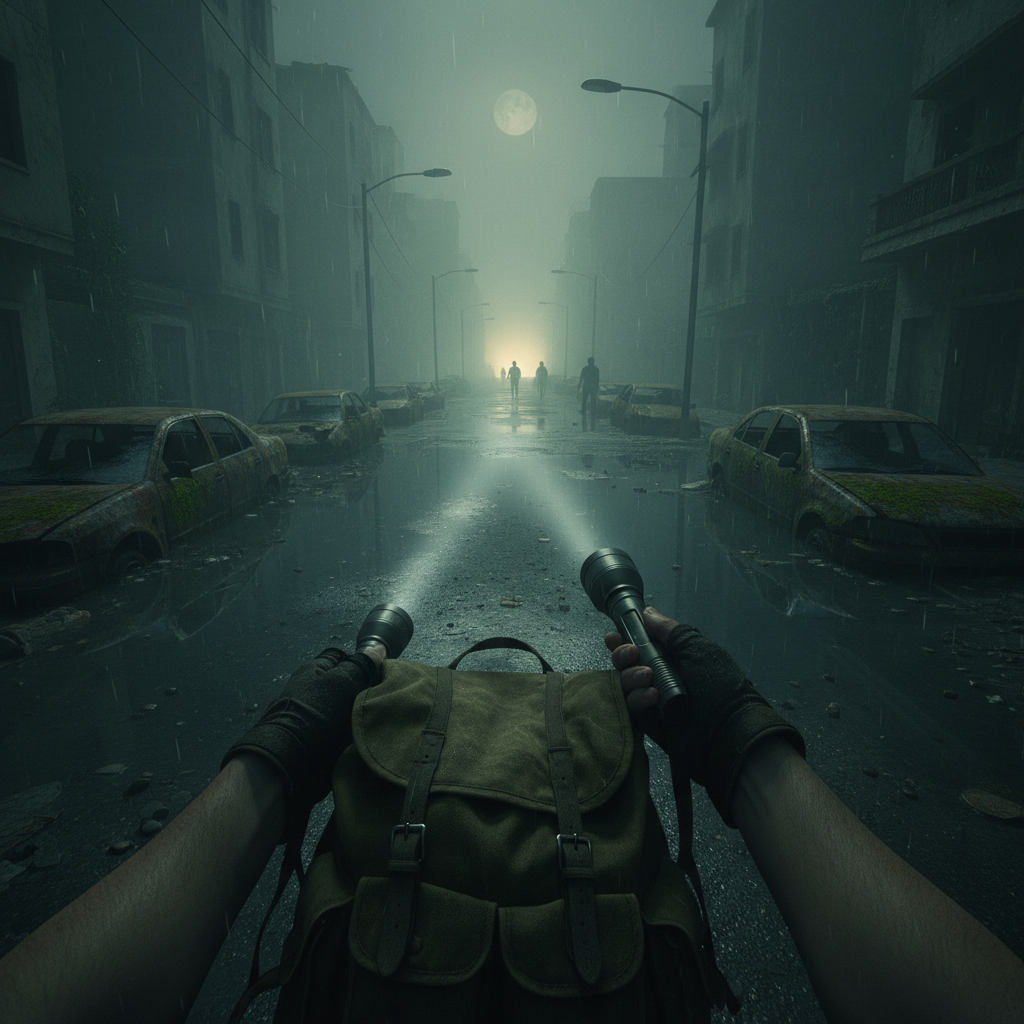
Lies Beneath
Stylized visuals make it feel like a nightmare you can touch, and the psychological angle comes from how it bends reality and memory rather than trying to be “realistic.”
- Why it works: surreal pacing, disorientation, and story beats that land like bad dreams.
- Good fit if: you want horror that feels more like a twisted graphic novel.
The Exorcist: Legion VR
Episode structure suits players who cannot handle long fear marathons, it leans into ominous environments, sound cues, and the feeling that something is close even when you cannot see it.
- Why it works: sustained unease, careful staging, and “wait, did that move?” moments.
- Good fit if: you want psychological horror in manageable chunks.
Layers of Fear VR
This one plays with space, doors stop behaving, rooms loop, paintings change, and the horror comes from losing trust in the environment more than from combat.
- Why it works: reality shifts and narrative obsession themes.
- Good fit if: you prefer story and atmosphere over fighting.
Affected: The Manor
It is often used to introduce friends to VR horror because it gets to the point quickly, you walk, you listen, you anticipate, and the game squeezes fear out of simple hallway design.
- Why it works: pacing tricks and expectation management.
- Good fit if: you want a shorter “can I handle this?” test.
How to choose the right game for your fear tolerance and motion comfort
People quit VR horror for two reasons more than anything else, it feels emotionally too much, or it feels physically bad, nausea, headaches, eye strain. Picking well reduces both.
Self-check: which bucket are you in?
- You want dread, not panic: lean story-heavy and slow-burn titles, avoid constant chase mechanics.
- You hate jump scares: choose games known for atmosphere, and check community notes before buying.
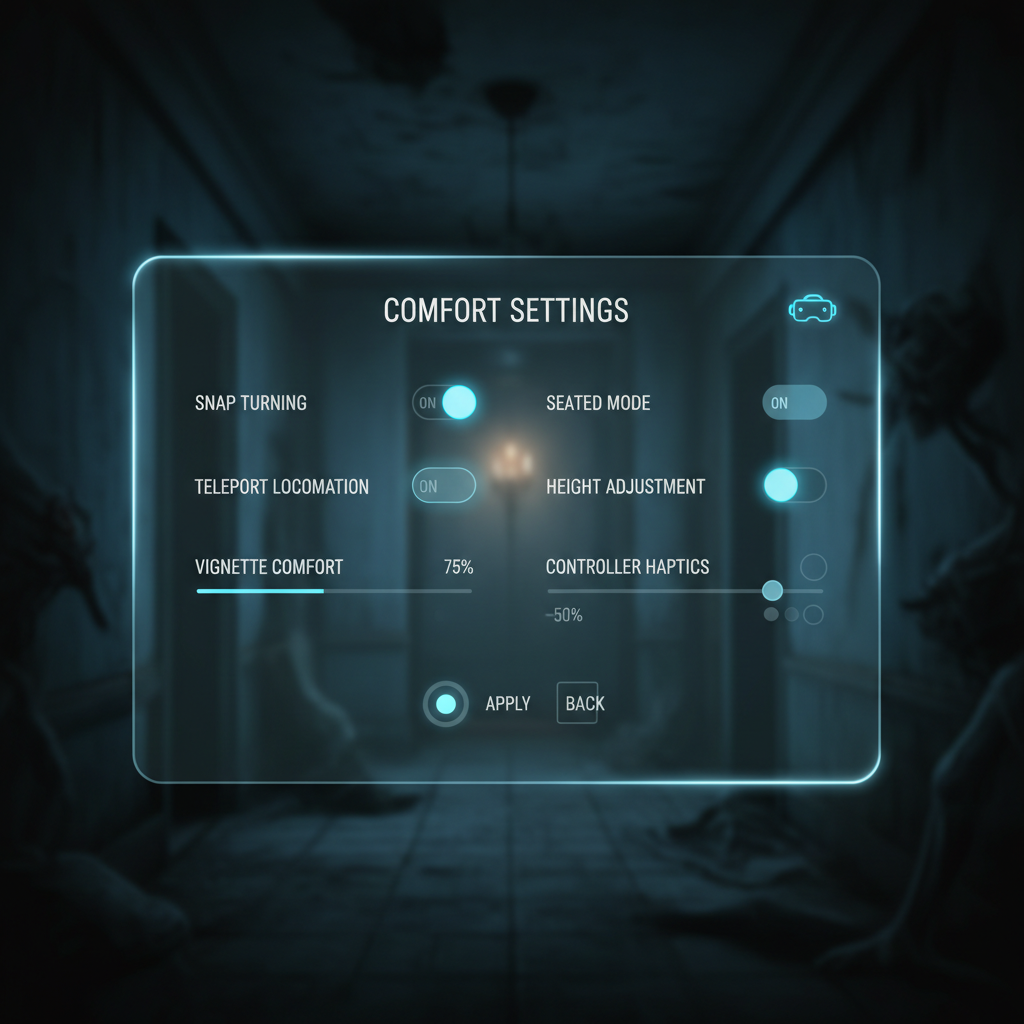
- You get motion sick easily: prioritize teleport movement, snap turn, seated play, and shorter sessions.
- You want “hands-on” immersion: survival crafting and physics interactions can make fear feel earned.
Platform reality check
“Best vr psychological horror games” lists can be misleading because not every title exists on every headset, before you commit, verify:
- Store availability for your device, Meta Quest, PS VR2, SteamVR.
- Input style, standing vs seated, room-scale vs controller locomotion.
- Comfort settings, vignette, snap turn, speed options.
Practical setup tips to make VR horror scary, not miserable
Small setup choices can change your experience more than a settings menu, especially in psychological horror where audio and comfort drive everything.
- Use good headphones: spatial audio is half the scare, built-in speakers can flatten cues.
- Play in a cool room: overheating makes discomfort spiral faster than you expect.
- Set a boundary you trust: fear makes people step backward without thinking.
- Start with 20–30 minute sessions: endurance builds, forcing it usually backfires.
- Dial comfort first, then difficulty: nausea ruins immersion more than “easy mode” ever will.
According to U.S. Food & Drug Administration (FDA), VR can cause side effects such as nausea, dizziness, and disorientation for some users, if you feel unwell, stopping and taking a break is the sensible call.
Common mistakes when shopping for VR psychological horror
This genre gets mislabeled constantly, and the mismatch is where buyer’s remorse comes from.
- Assuming “horror” equals “psychological”: some games are action horror with occasional spooky decor.
- Ignoring comfort reviews: a great story will not matter if locomotion makes you sick.
- Chasing the most extreme pick: if you bounce off one brutal title, you might avoid the genre entirely.
- Playing when you are already stressed: psychological horror stacks on your mood, timing matters.
Key takeaways and a simple next step
If you want best vr psychological horror games that feel tense rather than cheap, prioritize atmosphere, sound, and comfort options, then match intensity to how you actually play, not how you wish you played.
- Want a long, unforgettable fear ride: look at Resident Evil 7 where available.
- Want survival pressure with choices: Saints & Sinners is a solid bet.
- Want short sessions and controlled exposure: The Exorcist: Legion VR or Affected: The Manor often works.
Pick one title, set comfort settings before you hit “new game,” and commit to a short first session, you will learn more from 20 minutes than from another hour of comparison shopping.