
best games with mount taming and riding usually fall into two camps: games where mounts are basically fast travel with a saddle, and games where taming, bonding, and handling actually change how you play.
If you’re here, you probably want the second kind, something where earning a mount feels like progression, not a checkbox. The tricky part is that store pages rarely explain the “mount loop” clearly: how you tame, how much upkeep exists, and whether riding is physics-driven or just an animation.
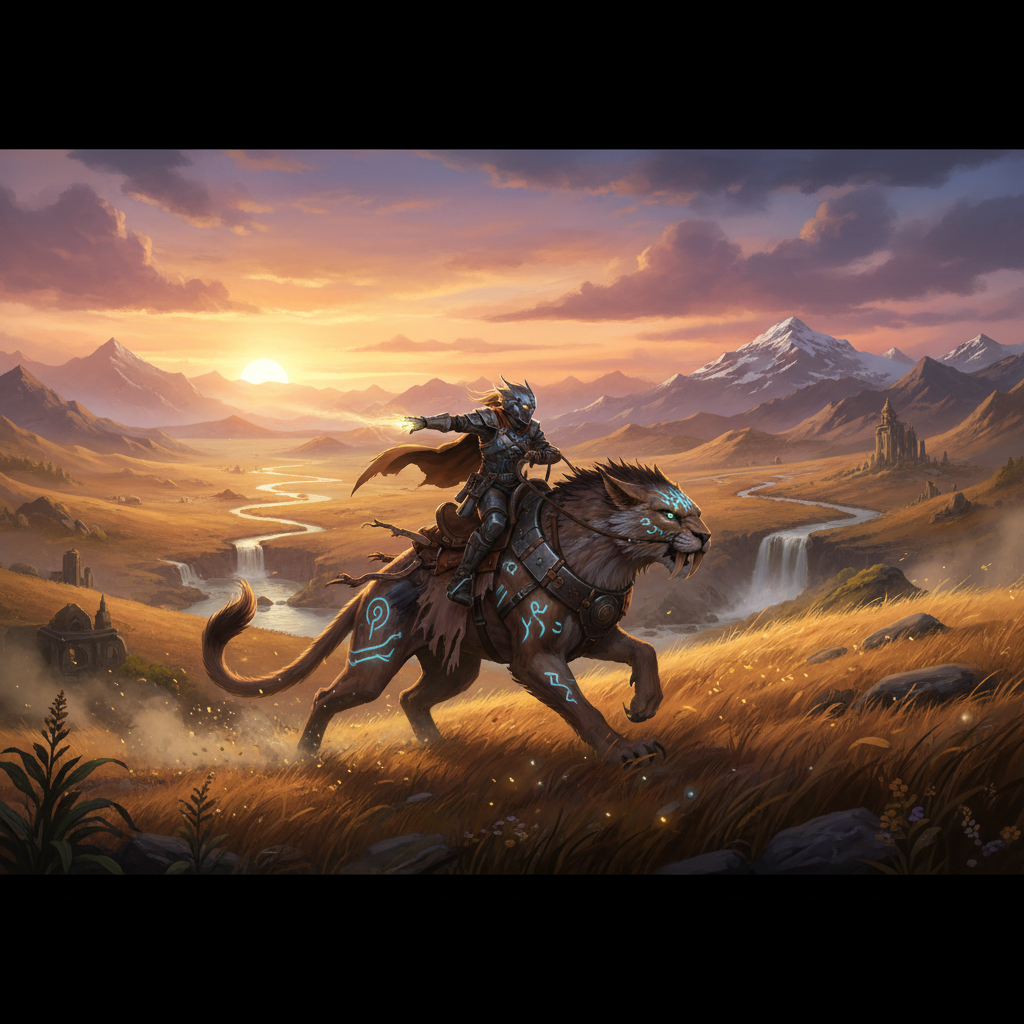
This guide focuses on what most players actually care about: how taming works, what riding feels like moment to moment, and whether mounts stay relevant after the early game. You’ll also get a quick comparison table and a short checklist to match a game to your preferences.
What “mount taming & riding” can mean in practice
Not every game uses “taming” the same way. Some treat it like crafting, others like combat, and a few like a relationship system. Riding also ranges from arcade-style speed boosts to full physics and stamina management.
- Capture/claim taming: you trap, capture, or “claim” a mount, then level it up.
- Trust/bond taming: you calm, feed, groom, or complete steps until the mount accepts you.
- Breeding/raising: you raise mounts over time, often with stats, traits, and upkeep.
- Riding feel: can be animation-driven (smooth but simple) or physics-driven (harder, more expressive).
Knowing which flavor you want saves you a lot of trial and error, especially when you’re shopping for the best games with mount taming and riding rather than “games that happen to have horses.”
Quick comparison table: top picks at a glance
Here’s a practical snapshot. The goal is not a definitive ranking, it’s helping you self-sort fast.
| Game | Taming depth | Riding feel | Best for | Watch-outs |
|---|---|---|---|---|
| ARK: Survival Evolved | High | Utility-focused | Creature collection + co-op bases | Grindy settings, learning curve |
| Red Dead Redemption 2 | Medium | “Horse-first” realism | Immersion + bonding | Not a deep taming system |
| The Legend of Zelda: Breath of the Wild | Medium | Responsive, playful | Exploration + quick taming | Limited long-term mount progression |
| Palworld | High | Fast, gamey | Automation + mounts as tools | Balance shifts, early access changes |
| Monster Hunter Stories 2 | High | Turn-based traversal | Collecting + party building | Not real-time riding skill |
| Mount & Blade II: Bannerlord | Low | Combat-centric | Mounted battles | Little “taming,” more “riding” |
The best games with mount taming and riding (and what makes each worth it)
ARK: Survival Evolved
If you want taming to feel like a whole second game, ARK is a classic reference point. You’re managing approach, knockout or alternative methods, feed choice, and protection while the tame completes, then you’re building saddles and using different creatures as tools.
- Why it works: mounts have clear roles, from hauling to combat to exploration.
- What to expect: a lot of systems and a lot of “prep.” Many servers adjust rates to reduce grind.
Red Dead Redemption 2
RDR2 sits in a sweet spot where riding itself is the point. The bonding loop is simple but effective: ride, care, and learn your horse’s temperament. It’s not “tame 50 species,” but it nails the emotional side of keeping a mount.
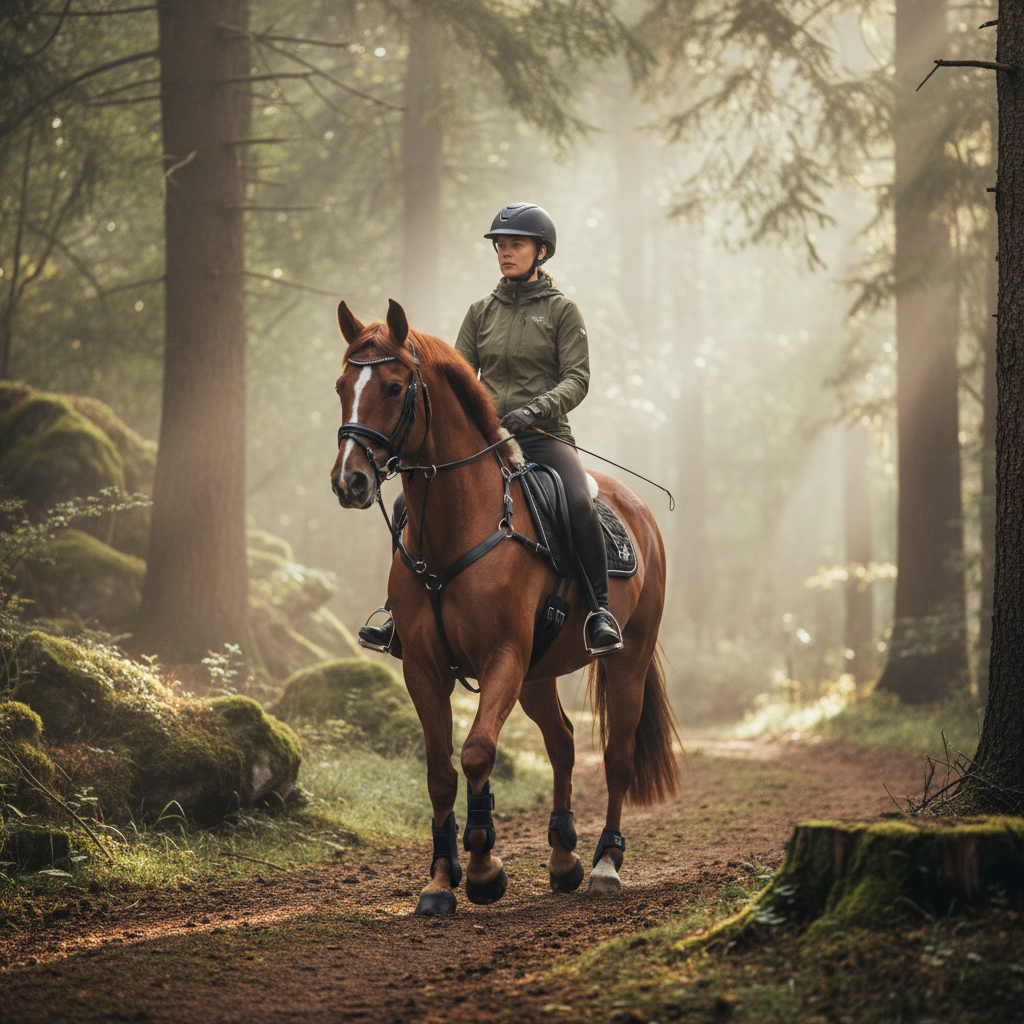
- Why it works: riding has weight, pace, and presence; bonding feels earned.
- What to expect: less focus on “taming mechanics,” more on care and handling.
The Legend of Zelda: Breath of the Wild
BOTW makes taming approachable. You can break a wild horse, soothe it, register it, and treat it like a travel partner. The riding model is intentionally light so exploration stays fluid, but mounts still matter because the world invites long rides.
- Why it works: quick taming, low friction, easy to experiment.
- What to expect: mount growth exists, but it won’t become a deep RPG system.
Palworld
Palworld leans into mounts as productivity: different Pals change traversal and combat, and you’ll often pick a ride based on what you’re doing next. In many builds, the “taming” loop centers on catching and managing, then deciding which creatures you actually bring into the field.
- Why it works: mounts stay practical throughout progression, not just early game.
- What to expect: features and tuning can change quickly in early access-type cycles.
Monster Hunter Stories 2: Wings of Ruin
For players who love collecting and building a team, this is one of the cleaner “tame and ride” experiences. You hatch, raise, and ride Monsties, and your mount choice affects exploration through abilities. It’s not about manual riding skill, it’s about who you bring.
- Why it works: long-term progression and team synergy, strong sense of ownership.
- What to expect: riding is more about traversal options than simulation.
Mount & Blade II: Bannerlord
Bannerlord earns a spot because mounted combat feels decisive. If your priority is the riding half of “best games with mount taming and riding,” this is a strong bet, even though “taming” is minimal compared to survival or creature-collector games.
- Why it works: speed, momentum, and positioning matter in battle.
- What to expect: you’re buying and managing horses more than taming wild ones.
Self-check: which mount system will you actually enjoy?
This sounds obvious, but a lot of frustration comes from picking the “highest rated” game that uses a mount loop you personally dislike. Use this quick filter.
- I want a long taming process and a stable full of options: choose survival/collection-heavy games.
- I want riding to feel grounded and cinematic: prioritize games where horse handling is central.
- I want mounts to be tools with clear utility: look for games where mounts change combat and traversal.
- I hate upkeep and timers: avoid systems with hunger, sedation, breeding timers, or frequent micromanagement.
- I mostly play with friends: confirm co-op stability, server settings, and how progression works in groups.
Once you’re honest about your tolerance for grind and management, finding the best games with mount taming and riding gets much easier.
Practical tips: how to pick (and enjoy) your next mount-focused game
A few moves help you avoid buying the “wrong” mount game for your mood.
- Watch for 10 minutes of mid-game riding, not the tutorial. Early areas often hide how mount handling really feels.
- Check whether mounts stay relevant after fast travel unlocks. Some games accidentally retire mounts later.
- Look for settings that reduce friction, like tame-rate sliders, stamina tweaks, or accessibility options.
- Decide what “taming” means to you: relationship fantasy, collection completion, or min-max stats.
According to ESRB, checking a game’s rating and content descriptors helps families understand themes and intensity before buying, which matters if you’re choosing something mount-heavy for a younger player.
Common mistakes (and how to avoid wasting your time)
- Assuming “mounts” equals “taming”: many open-world games give you a horse, but never ask you to earn or manage it.
- Chasing rarity before basics: in deep systems, a reliable early mount often beats a rare one you can’t feed, saddle, or protect.
- Ignoring server or difficulty settings: a game can feel punishing by default but perfectly enjoyable with tuned options.
- Over-optimizing too early: if you min-max immediately, you can skip the part that makes bonding feel real.
If you’ve bounced off other “mount games,” it’s often one of these mismatches, not a lack of patience.
Key takeaways and a simple next step
If your priority is deep systems and a lot of collectible rides, you’ll likely be happiest with games that treat mounts as progression pillars, not cosmetics. If you want feel and immersion, pick a title where riding has weight and small routines matter.
Next step: pick one game from the table, then confirm two things before buying, whether the taming loop matches your tolerance for timers and upkeep, and whether riding stays useful after you unlock later-game travel options.
FAQ
What are the best games with mount taming and riding for co-op?
Survival and creature-collection games often fit co-op well because friends can split roles: gathering, base-building, and taming. The key is checking how progression syncs and whether private servers let you tune grind.
Which games have the most “realistic” horseback riding feel?
Games built around cinematic traversal and grounded animation tend to feel more realistic than creature collectors. Look for weighty turning, speed control, and responsive braking, not just sprint toggles.
Are there good mount taming games that aren’t super grindy?
Yes, but it depends on what you call “grind.” Many games offer sliders or difficulty options that reduce tame time or resource pressure, while others are designed around shorter, simpler bonding loops.
Do mounts become pointless once fast travel unlocks?
Sometimes. In stronger designs, mounts still matter because they provide combat advantages, resource carrying, or access to terrain. It’s worth watching mid-game footage to see if players still ride regularly.
Is taming always about capturing creatures?
No. Some games frame taming as trust-building through calming, feeding, or care routines. If you dislike “capture” mechanics, look for games that emphasize bonding instead.
What should I look for in a good mount progression system?
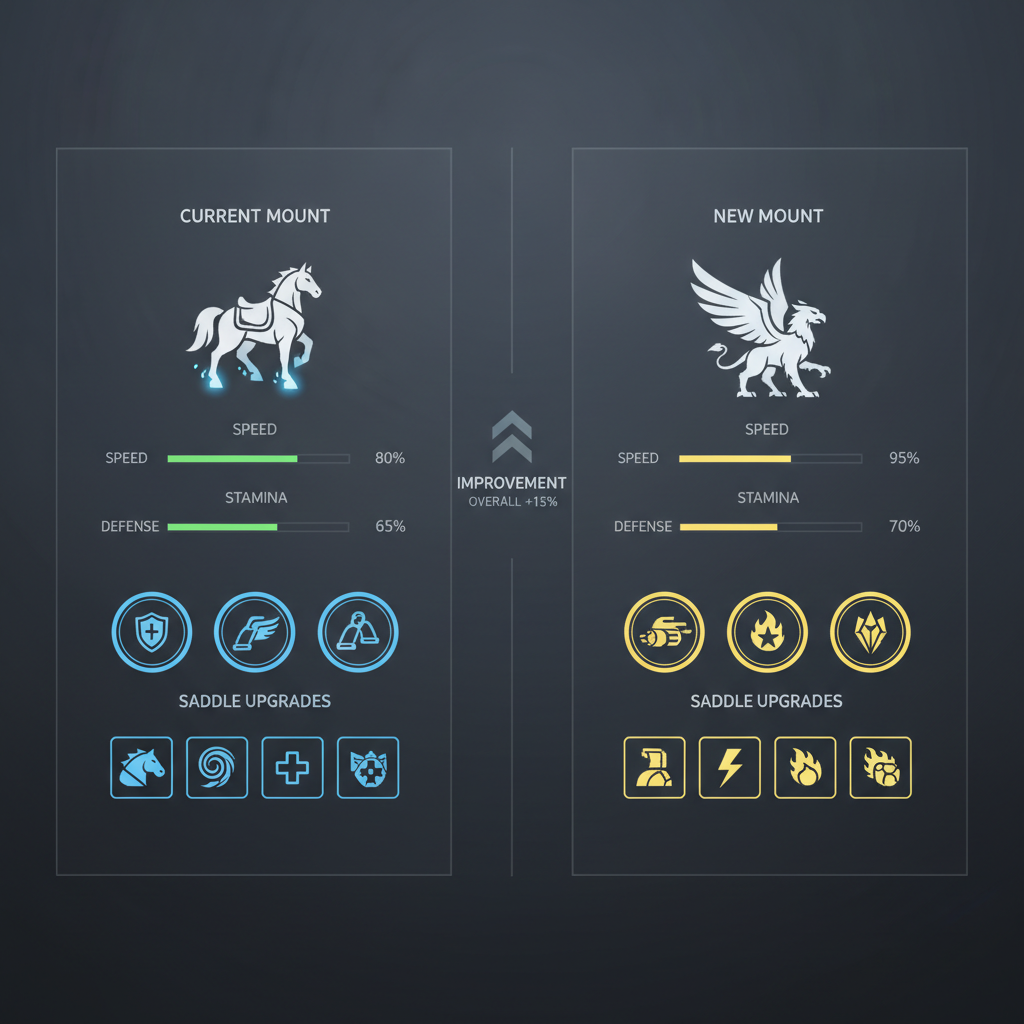
A good system usually gives you meaningful upgrades without turning care into constant chores. Clear tradeoffs help too, like speed versus stamina, or combat power versus handling.
Are mount-heavy games safe for kids?
It varies by title. According to ESRB, ratings and descriptors give a quick read on violence, language, and themes, and parents may want to preview gameplay to match comfort level.
What if I get motion sickness while riding in third-person games?
Camera bob, narrow FOV, and motion blur can trigger discomfort. Many games let you adjust FOV or disable blur, and if symptoms persist, it’s sensible to take breaks and consider asking a healthcare professional for advice.
If you’re trying to choose between a couple of options and want a more “no regrets” pick, make a short list of the mount features you actually care about, bonding, breeding, combat utility, or just pure riding feel, then match that list to one title instead of chasing whatever is trending.